High-performance rack servers, rugged systems, and hardware-accelerated nodes engineered for modern industrial architectures.
The industrial computing paradigm has shifted rapidly from standard, low-cost microcontrollers to high-density, mission-critical computational nodes placed in challenging physical environments. Globally, the convergence of IoT telemetry, real-time computer vision, and local AI inference has mandated the deployment of servers and network infrastructure that exhibit the resilience of industrial PCs (IPCs) alongside the processing performance of enterprise data centers.
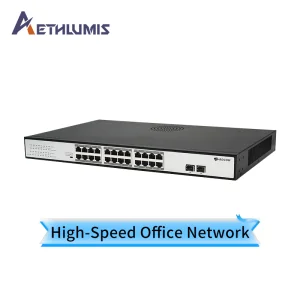
From unmanaged Gigabit switches featuring 6KV surge protection to multi-socket GPU rackmount systems, industrial operators demand hardware that can operate 24/7 without thermal degradation, electromagnetic interference issues, or sudden components lifecycle obsolescence. The ability to route industrial Ethernet packages stably—even in high-vibration and high-electromagnetic-noise zones—defines modern manufacturing throughput and data integrity.
Verified operations metrics, research capabilities, and supply chain governance specifications.
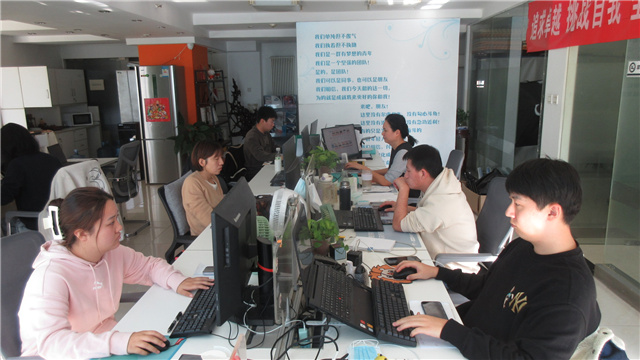
By employing graduate R&D engineers focused on mechanical design, custom system integration, and hardware verification, our facility manages comprehensive hardware iteration loops. For industrial system integrators, standard commercial hardware leaves massive operational vulnerabilities. A standard server lacks the component lifecycle longevity and structural ruggedization required to handle shop floor vibrations. We address this through customized motherboard layouts, component substitution (such as selecting high-reliability solid capacitors over standard electrolytic alternatives), and custom chassis designs configured for optimal thermal profiles.
Our quality assurance framework guarantees 100% product inspection rather than statistical batch sampling. This strict approach is critical for devices deployed in remote utilities or automated manufacturing lines where a single hardware crash incurs thousands of dollars per minute in operational losses. Every server, network switch, and custom platform undergoes stress tests including high-temperature thermal cycling, vibration testing, and power-cycle fatigue tests before dispatch.
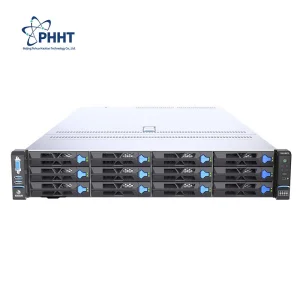
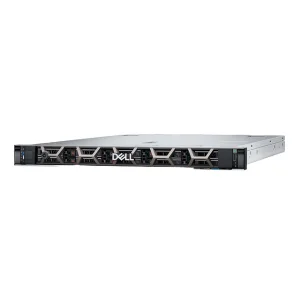
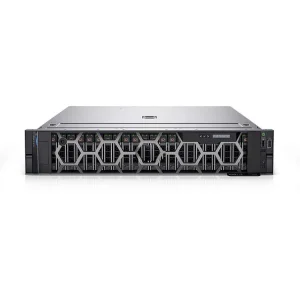
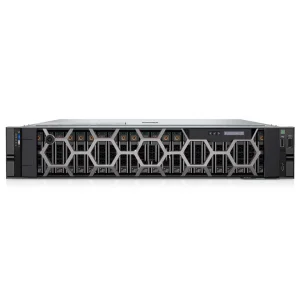
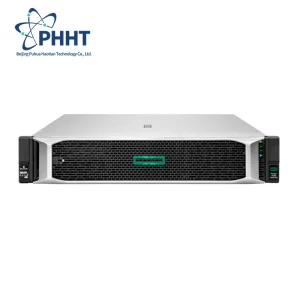
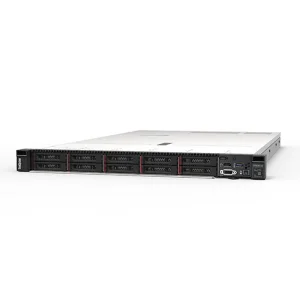
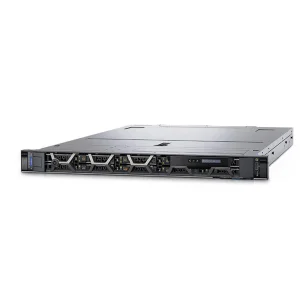
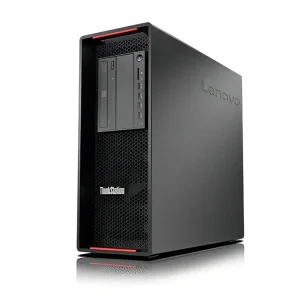
Integration of multi-core processing architectures (Intel Xeon Scalable / AMD EPYC) inside standard 1U and 2U rack cabinets, delivering massive computing densities for local virtualization and deep learning pipelines.
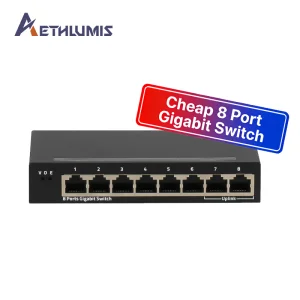
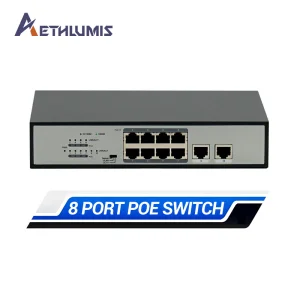
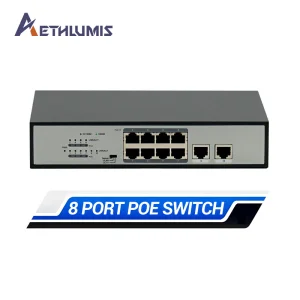
Switches boasting 6KV surge and lightning protection, unmanaged hub configurations with native VLAN port isolation, and wide-range voltage tolerance designed for harsh environments.
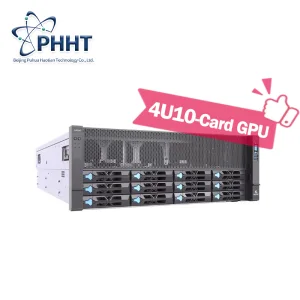
Deploying dedicated TPU/GPU modules at the extreme edge. Examples include autonomous navigation arrays on bionic robotic platforms running local neural networks under severe payload limits.
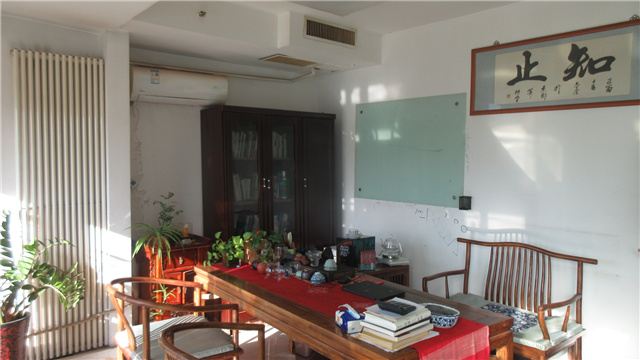
The geographic concentration of component manufacturing in South China (Shenzhen-Dongguan-Guangzhou corridor) allows for unprecedented agile turnaround times. Raw materials, specialized connectors, high-frequency PCB substrates, aluminum extrusion heat sinks, and customized power units are sourced and processed within a tight radius. This proximity reduces transit latency, optimizes iterative feedback loops between R&D engineers and fabrication lines, and minimizes supply chain vulnerabilities.
Furthermore, this localization allows us to guarantee long-term product supply roadmaps. When global chip shortages disrupt standard hardware sourcing, our R&D team's proximity to regional component suppliers enables swift layout redesigns to utilize alternative active components without compromising raw performance metrics or thermal envelopes.
SEO Insight / Information Gain: Unlike standard commercial servers, industrial hardware requires strict Lifecycle Management. A design optimized today must remain purchasable, repairable, and consistent for 5 to 10 years to prevent costly recertification processes for our global engineering and brand clients.
Our computing hardware is engineered to support demanding localized scenarios across diverse industrial environments:
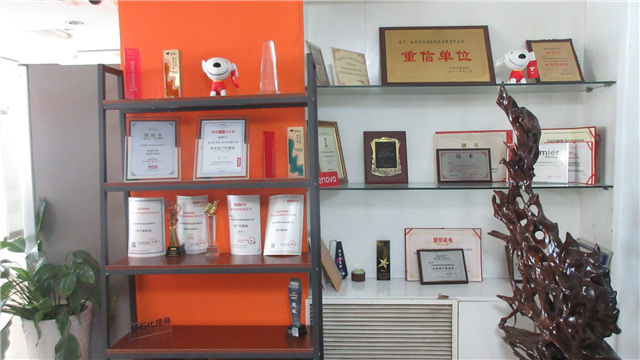
Deploying compute nodes globally requires compliance with regional regulatory standards. Industrial hardware must carry appropriate CE, FCC, RoHS, and UL marks, indicating adherence to strict electromagnetic radiation and material safety guidelines. Our 100% inspection protocol validates these shielding profiles before the hardware leaves the facility.
To support overseas partners, we provide comprehensive technical documentation, STEP files for CAD integration, and board support packages (BSPs) for specialized Linux environments. This simplifies custom system integration and ensures rapid field deployments for system architects and brand customers.
Key technical answers to simplify industrial computer hardware sourcing decisions.
A: Industrial environments are prone to electrical surges caused by nearby high-power motor switching, static build-up, or lightning strikes. A 6KV surge protection rating ensures the internal circuitry can absorb high-energy spikes without component failures, shielding connected IP cameras and network nodes from damage.
A: Our R&D department coordinates directly with chip and component manufacturers to guarantee component availability timelines. If a critical component nears End-of-Life (EOL), our team designs drop-in pin-compatible alternatives to minimize redesign and recertification costs for our clients.
A: Unlike standard IT equipment, industrial servers are deployed in remote locations with limited on-site support. 100% inspection ensures all memory, PCIe pathways, thermal limits, and storage channels are validated before shipment, minimizing the risks and costs of hardware failure in the field.
A: Yes. In DIP switch VLAN mode, downlink ports are isolated from each other but remain connected to the uplink ports. This prevents network broadcast storms from affecting the wider network and enhances security by blocking inter-device communication at the hardware level.
High-end deep learning workstations, smart robotics, and high-performance PoE network switches.
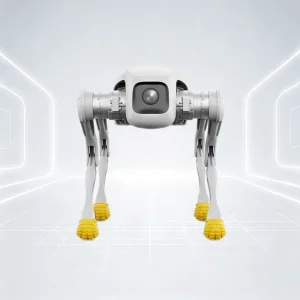
 Nexus AI Server