Explore our active stock of fully verified, configured, and performance-tested Dell tower systems tailored for mission-critical deployments.
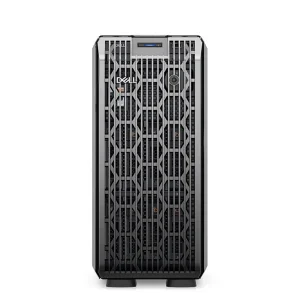
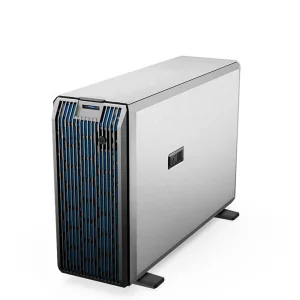
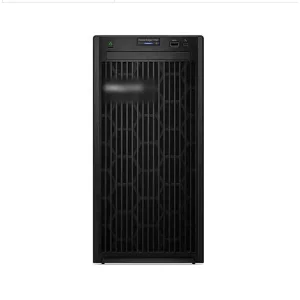
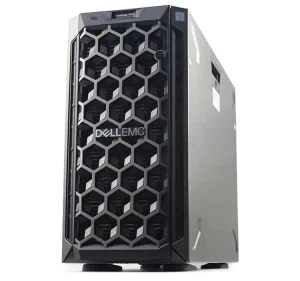
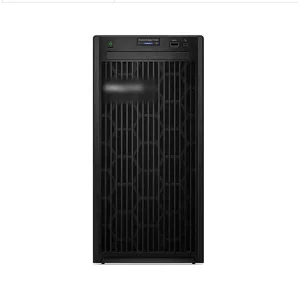
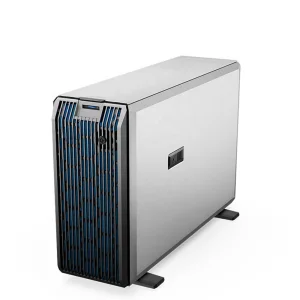
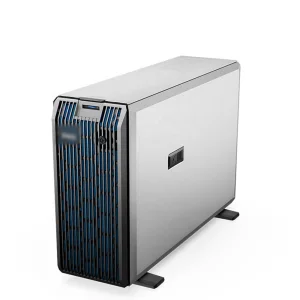
Analyzing computational capability, heat dissipation dynamics, and business versatility for decentralized processing pipelines.
In an era characterized by exponential data generation and the urgent need for real-time edge processing, selecting the appropriate server form factor is a critical operational decision. Dell PowerEdge Tower Servers stand as a pillar of reliability for organizations seeking enterprise-class computational capacity without the requirement of dedicated datacenter containment systems. Unlike rack-mounted equivalents, tower servers provide comparable performance while operating quietly and maintaining a flexible footprint. They are optimized for small-to-medium businesses (SMBs), distributed remote branch offices (ROBO), and localized edge operations.
Information Gain Note: Unlike generic reselling models, our approach integrates engineering audit processes, hardware configuration customization, and localized supply-chain logistics. This ensures each server is optimized to reduce compute bottlenecks, maximize thermal efficiency, and align with global regulatory frameworks.
The hardware landscape within our export inventory spans various generations of Intel® Xeon® processors, ensuring that workloads from basic file serving to highly intensive database transactions are fully supported:
Industry Engineering Experience (Est. 2003)
Audit and Quality Assurance Guarantee
In-House R&D Design & Support Engineers
North American & Eastern European Markets
Leveraging deep manufacturing relationships, customized component assembly, and reliable port transit networks.
China continues to serve as a key manufacturing hub for modern high-tech enterprise equipment. As a leading exporter with 21 years of domestic supply integration and 2 years of direct international trade operations, we bridge the gap between global enterprise demands and China's assembly lines.
Our facilities are located in central tech manufacturing hubs, allowing us to source components directly from primary suppliers. This enables us to bypass third-party distributors and deliver optimized pricing. Whether supplying brand-new factory-sealed hardware or verified refurbished units, our supply chain ensures consistent access to hard-to-find components like redundant controller cards, host bus adapters (HBAs), and high-capacity SAS hard drives.
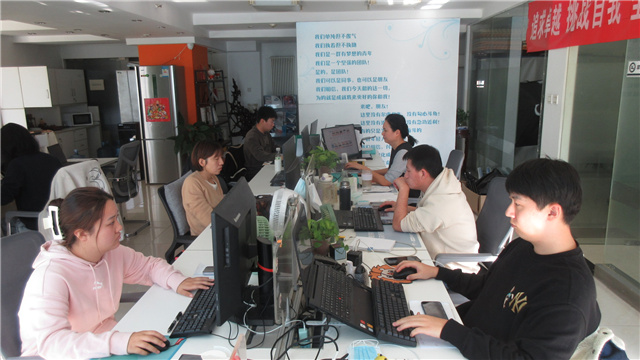
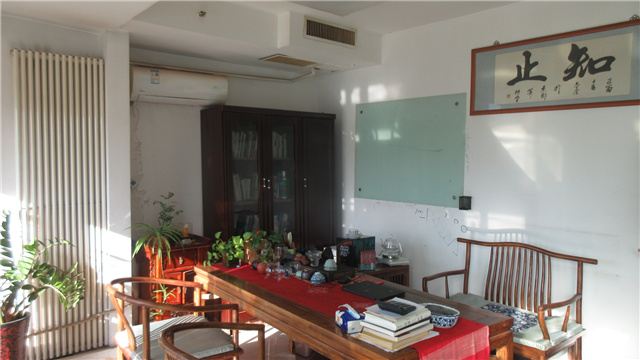
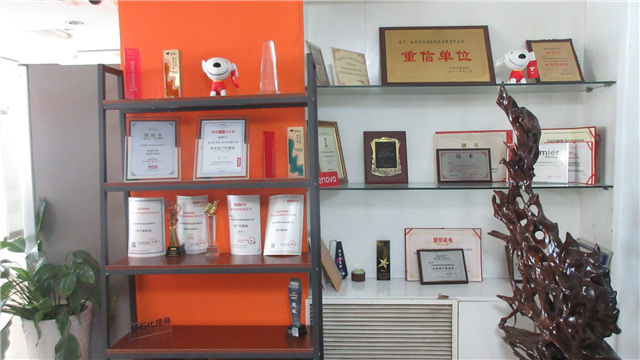
For global enterprises, our logistical pipeline offers notable efficiency. We handle the complexities of Chinese export customs, product inspection reports, and transit packaging. By utilizing sea, air, and express routes from major ports, we keep shipping times short. This allows us to reliably serve key markets, including Eastern Europe (20% share) and North America (15% share).
Detailed verification protocols managed by graduate engineers to guarantee system stability and reliability.
Hardware reliability is critical for enterprise infrastructure. Since our establishment on July 10, 2003, we have implemented a structured quality management program. Every server we export undergoes a comprehensive physical and technical inspection protocol before leaving our 120-square-meter configuration and testing lab.
Every memory module, processor, power supply, and drive controller is individually audited, tested, and certified for performance.
Servers undergo burn-in testing under simulated high workloads to ensure memory stability and motherboard thermal control.
We trace components back to original batch shipments to protect against counterfeit or low-grade hardware replacements.
Our in-house R&D team is staffed by 3 graduate engineering professionals. They handle custom system builds, ensuring that hardware layouts meet the software requirements of our clients. Whether you need custom partition tables, specific RAID levels (RAID 0, 1, 5, 6, 10), or virtual environment pre-configuration (such as VMware ESXi or Proxmox VE), our engineers build and test the configuration before shipping.
Ensuring global installations comply with regional power requirements, import standards, and certifications.
Deploying enterprise hardware across borders requires compliance with regional regulatory standards. Different markets have unique structural requirements for server hardware.
Dell PowerEdge towers utilize high-efficiency Titanium or Platinum hot-plug redundant power supplies. We configure systems with correct localized power cables and verify PSU capabilities to match your local power grid (100V-120V across North America, 220V-240V in Europe and Asia).
We export Dell tower servers that comply with international safety regulations, including CE, FCC, VCCI, and UL. This helps ensure smooth customs clearance and compliance with localized safety audits.
All servers are shipped with the latest Dell iDRAC9 (integrated Dell Remote Access Controller) firmware, configured in English for global accessibility. This allows remote IT administrators to manage, monitor, and update the system from any location.
Match your specific computing and data storage requirements to the optimal Dell tower platform.
Selecting a server depends on your specific workload and environmental constraints. The table below outlines how our configurations align with common enterprise use cases.
| Server Model | Primary Target Workloads | Storage Flexibility | Ideal Physical Setting |
|---|---|---|---|
| PowerEdge T150 | File and print sharing, local domain controller, small collaborative systems, simple web hosting. | Up to 4 x 3.5-inch cabled SATA/SAS drives (max 64TB). | Quiet retail environments, home offices, and small offices without dedicated IT space. |
| PowerEdge T350 | Mid-tier database transactions, lightweight virtualization, ERP applications, localized backup systems. | Up to 8 x 2.5-inch or 3.5-inch hot-plug SAS/SATA SSDs/HDDs (max 128TB). | Remote branch offices (ROBO), regional logistics warehouses, and medium businesses. |
| PowerEdge T640 | High-density virtualization (Hyper-V/VMware), data warehousing, CRM systems, video analytics, AI inference. | Up to 18 x 3.5-inch or 32 x 2.5-inch drives, support for NVMe PCIe SSDs. | Enterprise server rooms, large engineering offices, and private local cloud environments. |
Looking ahead at the evolution of compute architecture, edge AI integration, and hybrid on-premises design.
The growth of hybrid architectures indicates that on-premises computing remains a key component of corporate IT strategies. Organizations are moving away from entirely cloud-dependent setups toward hybrid models to reduce latency, manage bandwidth costs, and improve data security.
Modern tower platforms are evolving to support high-performance GPUs. The PowerEdge T640 and newer systems can house graphics accelerators, enabling real-time image processing, machine learning modeling, and predictive maintenance at the edge, without requiring connection to central data hubs.
Energy efficiency remains a priority. Modern systems utilize advanced internal layouts and smart fan control systems to reduce energy consumption and operating noise. With Dell OpenManage integration, administrators can monitor power draws in real time, helping to lower carbon footprints and utility costs.
Answering common technical and procurement questions from global IT buyers.
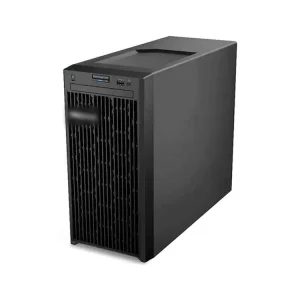
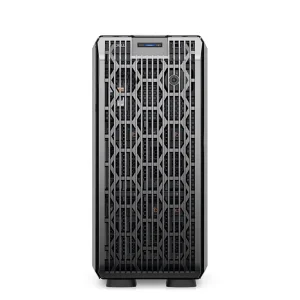
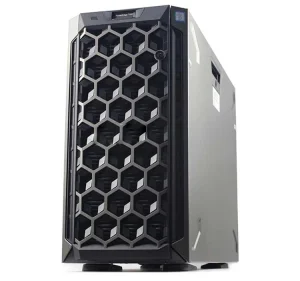
Review our final selections of specialized Dell PowerEdge systems ready for customization and global export.
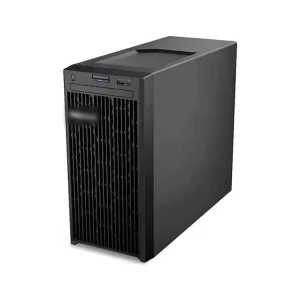
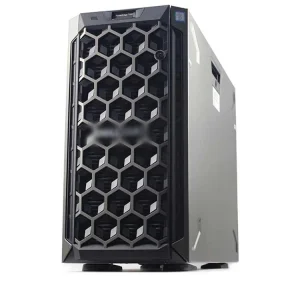
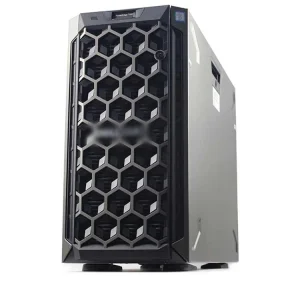
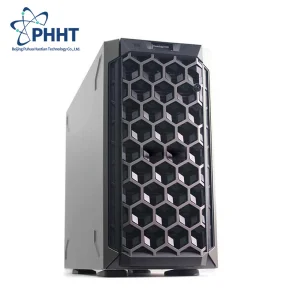
 Nexus AI Server