Discover our high-performance client compute products configured for corporate fleets, dynamic classrooms, and mission-critical server nodes.
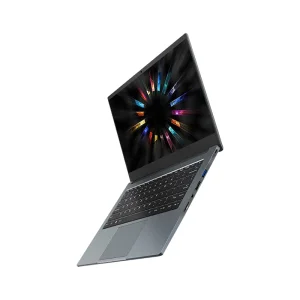
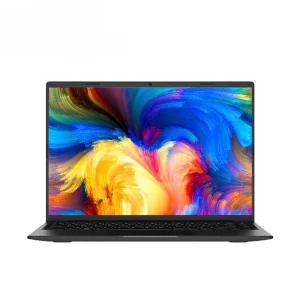
In the hyper-competitive global digital landscape, personal computing architecture remains the foundational anchor for workforce productivity, digital integration, and enterprise security. To guide procurement officers, enterprise system integrators, and brand owners through the technical complexities of hardware acquisition, this whitepaper delivers an exhaustive architectural breakdown, supply chain evaluation, and compliance blueprint.
Information Gain Highlight: Beyond superficial hardware specifications, the true total cost of ownership (TCO) of enterprise client devices is determined by BIOS customization, firmware security, localized certification alignment, and component-level supply chain traceability.
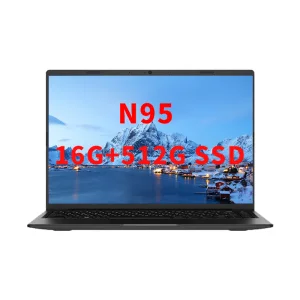
At the core of every client compute device is the selection of its silicon platform. Modern notebook computers demand an optimal balance between thermal design power (TDP) and performance. The deployment of processors such as the Intel Alder Lake-N N95 architectures represents a paradigm shift for entry-to-mid business notebooks. Built on the Intel 7 process, these CPU cores operate with a 15W TDP, providing an outstanding power-to-performance ratio for corporate intranets, lightweight client operations, and educational applications.
To sustain peak operational frequencies under continuous workloads without introducing thermal throttling, thermal dissipation design must incorporate active micro-cooling loops, high-performance phase-change thermal interface materials (TIMs), and low-profile aluminum-copper heat pipes. By managing thermal boundaries, our engineered systems maintain a skin temperature of under 35°C during high-performance compute tasks, preserving the lifespan of crucial internal components like the lithium-polymer battery packs and multi-layered motherboard substrates.
Global deployment demands rigorous localization down to the physical input layout and localized firmware. Enterprise buyers must procure hardware that natively supports multi-alphabet localization—such as dual English and Russian laser-etched keycaps. Key engineering requires high-durability membrane structures designed to survive over 10 million key depressions, offering tactile feedback with a standard travel distance of 1.4mm to maximize user typing comfort.
Beyond input mechanics, cross-border regulatory compliance is an essential requirement. Devices shipped globally undergo exhaustive testing protocols. Electromagnetic Compatibility (EMC) reports verify that RF emissions are well within limits defined by regional regulators like the FCC and CE. Our laptops comply strictly with the Restriction of Hazardous Substances (RoHS) directive, guaranteeing that toxic chemicals like lead, mercury, and polybrominated biphenyls are completely absent from all board components.
The unprecedented speed-to-market of modern client devices is powered by the unparalleled vertical integration of the electronic manufacturing hubs in Guangdong, China. This industrial cluster brings together semiconductor packagers, high-density HDI printed circuit board manufacturers, and mechanical tooling designers within a tightly coordinated supply ecosystem.
By utilizing deep supply chain integration, we can rapidly source components and implement layout changes, reducing typical lead times by up to 40% compared to fragmented international supply chains. This localized ecosystem optimizes everything from design to final box-build packaging, allowing for real-time quality control feedback and direct cost optimizations. As a result, we can deliver high-reliability business systems at a highly competitive unit cost.
Corporate computer deployments vary greatly depending on their target operational environments. Designing multi-scenario hardware solutions is critical to satisfying distinct enterprise demands:
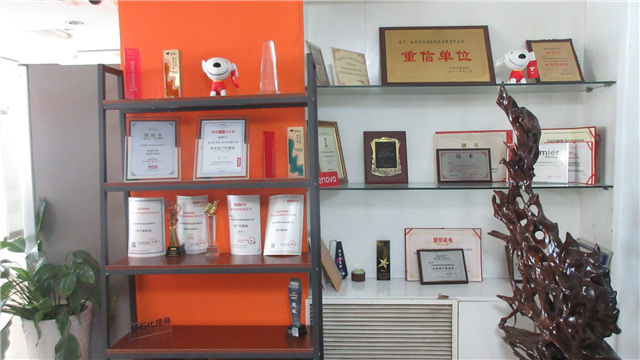
Maintaining high reliability in the field requires systematic quality control procedures at every stage of the manufacturing process. Established in 2003, our factory applies rigorous quality management standards, conducting 100% inspection protocols on every device before packaging. Our graduate-level engineering team supervises structural trace audits of all raw silicon, memory modules, and display panels, ensuring only verified components enter our assembly lines.
The corporate computing sector is transitioning rapidly toward localized machine learning workloads. Future laptop designs will shift processing loads from cloud architectures to on-device Neural Processing Units (NPUs) built directly into the silicon. This shift enhances data security by processing confidential data locally and dramatically improves battery efficiency by offloading complex algorithms from standard CPU cores.
In parallel, sustainable manufacturing is becoming a top priority for corporate procurement teams. Modern designs incorporate post-consumer recycled (PCR) plastics in the case frame, lead-free low-temperature solder (LTS) on the main boards, and modular component layouts that allow easy repairs and upgrades. By choosing modular designs, companies can extend the deployment cycle of their computer fleets, significantly reducing electronic waste and minimizing their environmental footprint.
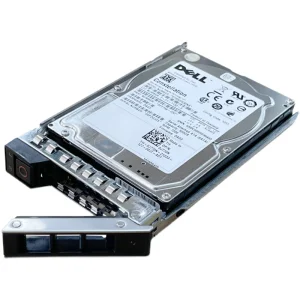
Robust backbone hardware designed for data centers, hybrid cloud networks, and demanding edge computing applications.
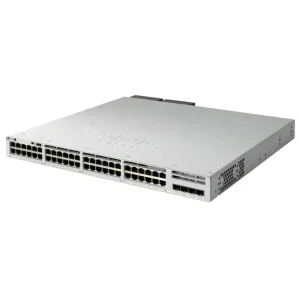
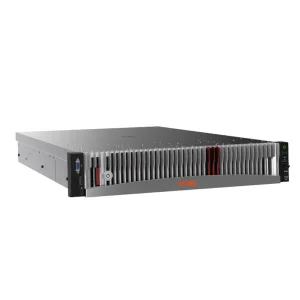
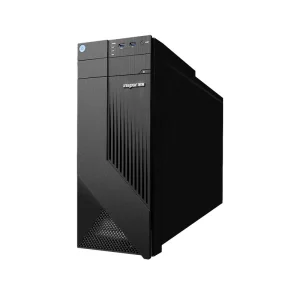
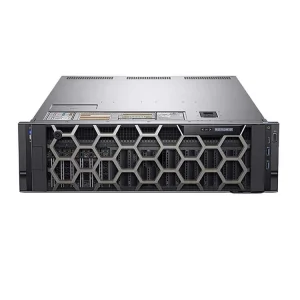
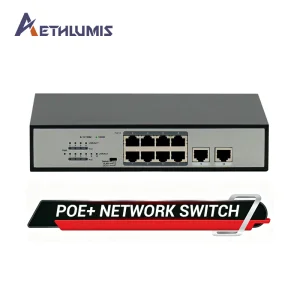
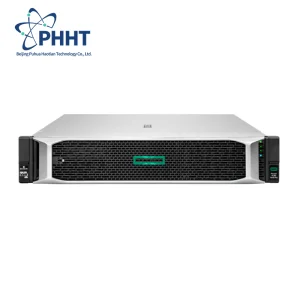
 Nexus AI Server