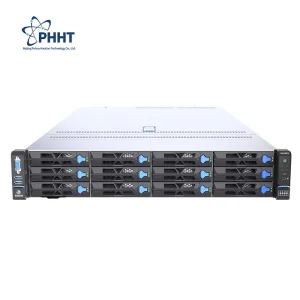
Explore our premium commercial graphics workstations, GPU acceleration servers, and scalable enterprise network devices engineered for professional workspaces.
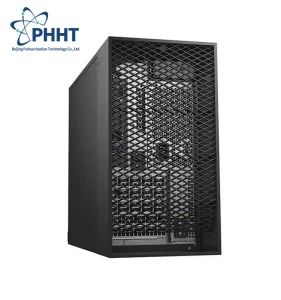
In the modern computational era, sourcing enterprise-grade hardware requires a comprehensive understanding of the industrial landscape. Lenovo operates as a titan in this sector, utilizing a complex, highly secure global manufacturing footprint. Their factories spans from the massive scale facilities in Hefei, China (LCFC Electronics) to dedicated integration facilities in Monterrey, Mexico, and Budapest, Hungary. This geographic distribution is key to managing supply chain fluctuations and localized customs demands.
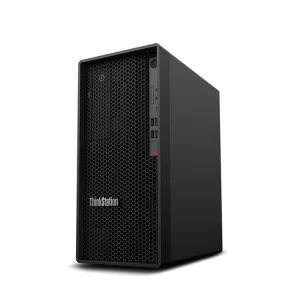
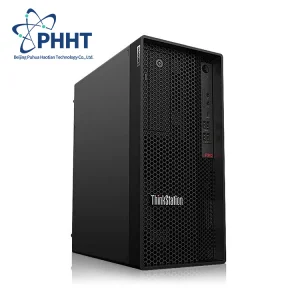
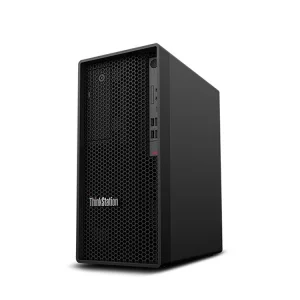
By strategically establishing partnerships with direct suppliers and OEM manufacturers, enterprises can leverage tailored configuration options. Whether sourcing tower computing units like the ThinkStation P340 series or building custom rackmount AI training grids, understanding these sourcing channels ensures high hardware consistency, long-term parts availability, and simplified global logistics management.
How modern enterprises balance local rendering capabilities with high-density server configurations to meet intense AI and graphics workloads.
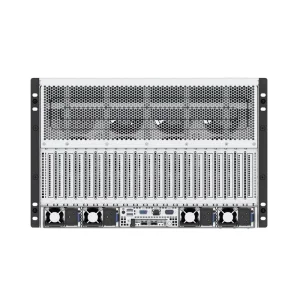
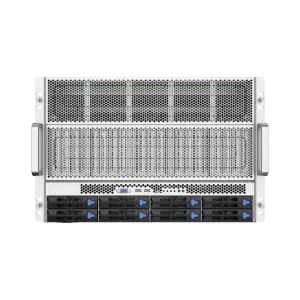
The expansion of deep learning models requires heavy parallel computing. Classic tower systems are increasingly complemented by high-performance GPU systems such as the 7U 8-GPU AI Server. This migration allows developers to transition seamlessly from local training to high-density server racks.
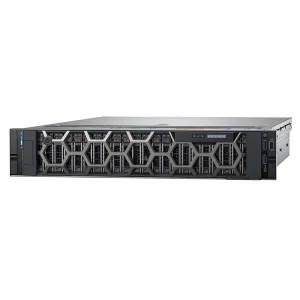
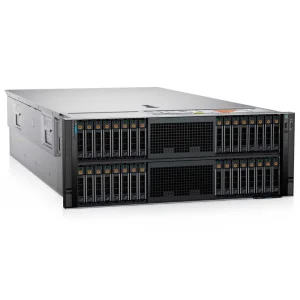
VDI (Virtual Desktop Infrastructure) allows engineers to access physical rack hardware (like the PowerEdge R760 or custom Lenovo server modules) remotely. Engineers enjoy workstation performance through localized endpoints with reduced thermal footprints.
As power draws of GPUs push past 450W per card, cooling has shifted from structural airflow to liquid-assisted loops and smart ambient rack integration. System builders focus heavily on maintaining high airflow clearances and redundant hot-swappable fans.
Understanding which systems align with specific engineering, data analysis, and media creation workloads.
Optimized for direct developer access. Equipped with high-frequency single-socket architectures (Intel Core i7/i9 or Xeon E-series) to support latency-sensitive applications like AutoCAD, Revit, and Adobe Premiere. Ideal for office floor deployment without dedicated server room cooling.
Engineered for continuous multi-user rendering, hypervisors, and data pipelines. With support for dual/quad Intel Xeon Scalable processors or AMD EPYC architectures, these servers maximize computational throughput per unit of rack space.
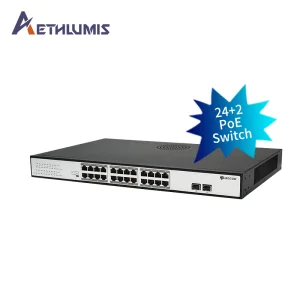
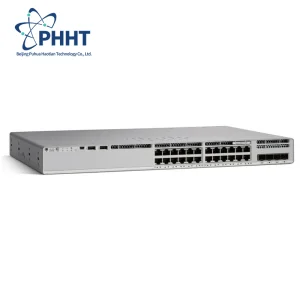
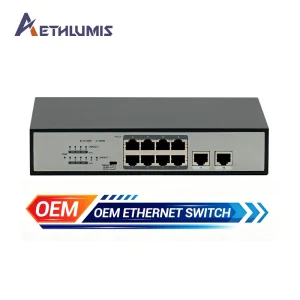
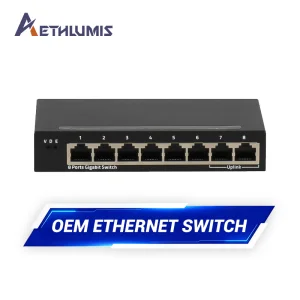
Interconnecting these high-throughput computers requires resilient networking. Managed and unmanaged switches featuring 6KV Lightning Protection and large buffer caches are critical to prevent packet drop during heavy network rendering processes.
When designing an industrial workstation deployment strategy, purchasing managers must match the underlying compute architecture with professional user requirements. Selecting mismatched hardware leads to bottlenecks in processing pipelines or excessive IT budgets.
For instance, running real-time 3D CAD modeling on a multi-core rack server can be highly inefficient due to lower single-core clock speeds. Conversely, attempting to run complex AI training loops on a standard desktop tower workstation will quickly lead to thermal throttling and hardware degradation.
Examining how customized workstation architectures address complex demands in specialized technical sectors.
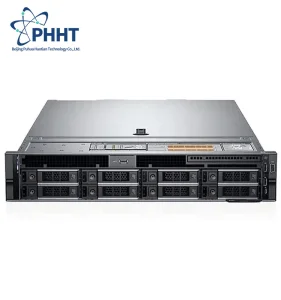
High-fidelity 3D modeling and CGI production require GPU configurations capable of long rendering periods. In this scenario, integrating Lenovo P340 units as developer terminals paired with backend Aethlumis 2U Rack Servers creates a hybrid architecture that keeps creators productive while heavy computational rendering is offloaded to localized server racks.
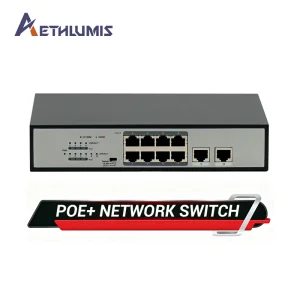
Modern smart factories deploy edge servers directly on production lines for real-time visual inspection. Implementing a 10 Port Gigabit PoE Switch allows direct connection of high-resolution IP cameras to a rack-mounted AI processor, providing lightning-fast defect identification while protecting the system from power surges via built-in 6KV protection.
Scientific computing labs require massive parallel processing capability. Standard tower PCs are insufficient for deep learning workflows. Setting up an AMD EPYC-powered 7U AI Training Server provides the raw power of multiple PCIe-based GPUs, dramatically accelerating research timelines.
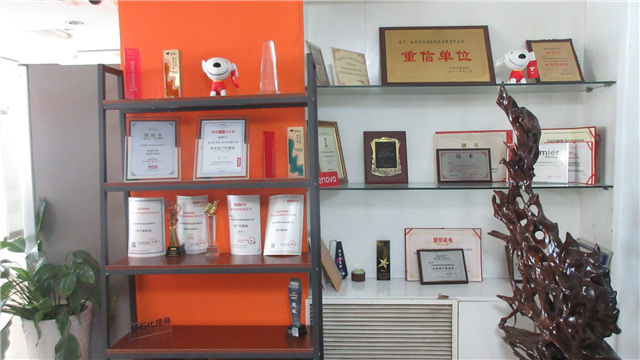
Verified manufacturing, quality assurance, and distribution infrastructure
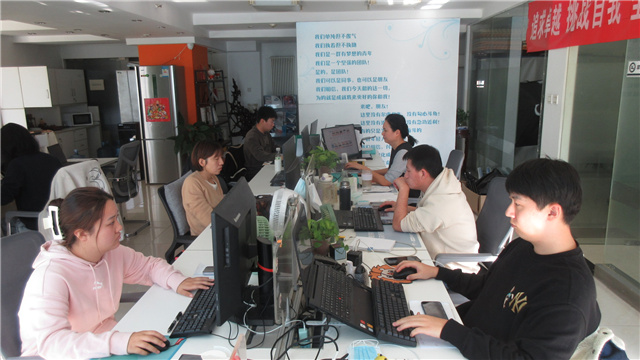
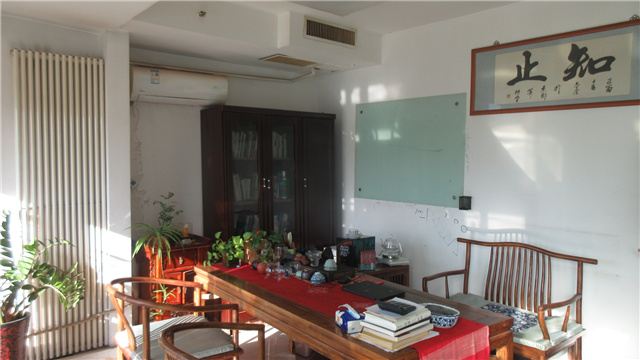
When purchasing high-performance computing hardware, reliability is paramount. Established in 2003, our supplier infrastructure brings over 21 years of manufacturing and integration experience. This expertise supports critical system configurations, ensuring every unit matches original specification demands.
We implement strict quality assurance practices across all stages of production. Rather than utilizing statistical batch sampling, our facility conducts a 100% full product inspection. Every workstation, AI server, and network switch is subjected to burn-in tests and firmware verification prior to shipping.
Our dedicated design department features three graduate R&D engineers who specialize in custom integration. They assist in tailoring memory allocations, storage arrays, and structural thermal designs to fit unique environment needs.
Strategic directions for next-generation computing systems, focusing on efficiency, integration, and AI readiness.
Integrating PCIe Gen 5 components across all standard towers. Developing new power distribution boards designed to support modern graphics processing units, alongside high-efficiency redundant power supplies.
Standardizing closed-loop liquid cooling mechanisms within 2U and 4U chassis configurations. Transitioning enterprise servers to higher power density thresholds while reducing acoustic levels in non-datacenter settings.
Aligning manufacturing processes with eco-friendly standards. Minimizing material waste through optimized structural designs and utilizing recycled ocean plastic elements in non-structural bezel fabrications.
Addressing essential questions concerning configuration options, quality control practices, and global hardware shipping.
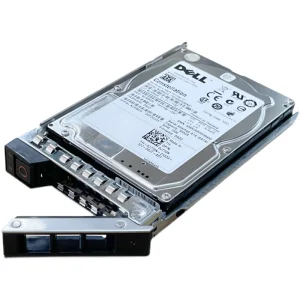
Complete your computational deployment with key accessories, hot-swappable trays, managed network hubs, and high-capacity processing nodes.
 Nexus AI Server