The industrial landscape is undergoing a dramatic digital transition, demanding unprecedented level of processing speed, security, and integration. Enterprise networks are no longer just pipelines for basic packet transport; they are the cerebral cortex of modern operations. As global organizations integrate Internet of Things (IoT) sensors, High-Performance Computing (HPC), Artificial Intelligence (AI) training clusters, and smart cloud architectures, the demands on edge and core network hardware have escalated geometrically.
Migration from legacy Gigabit connections to 25GE, 40GE, and 100GE optical links. Modern switches leverage cutting-edge ASIC chips to process billions of packets per second without bottlenecking critical computing systems.
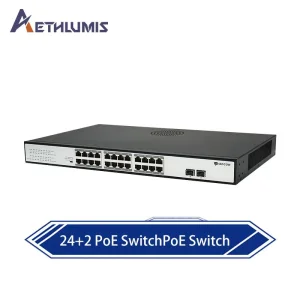
Implementation of standard PoE (802.3af), PoE+ (802.3at), and emerging high-output PoE++ systems. Network switches act as centralized power suppliers, driving high-resolution IP cameras, wireless access points, and IoT hubs.
Decoupling the hardware plane from the software management. Modern managed switches support cloud-based diagnostic layers, enabling off-site configuration, automatic vulnerability patching, and real-time network traffic shaping.
This paradigm shift has forced procurement officers to look beyond local retailers and engage directly with specialized network switch manufacturers and factory suppliers. Direct factory engagement guarantees not only customized firmware capabilities to suit specific enterprise environments but also minimizes intermediate supply chain expenses, assuring high cost efficiency and full lifecycle technical support.
“By 2026, over 75% of enterprise data center deployments will leverage automated L3 network fabric architectures, representing a major leap from traditional, manually provisioned static environments.”
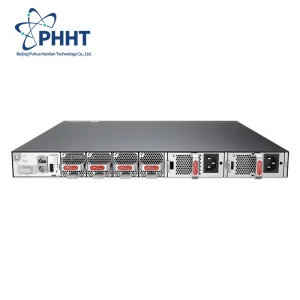
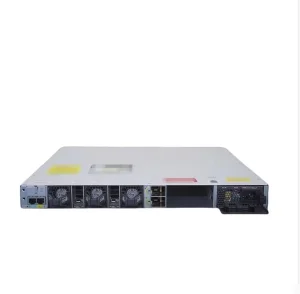
Enterprise IT infrastructure buyers in regions like North America, Western Europe, and East Asia prioritize long-term system stability, energy conservation compliance, and robust hardware configurations. High-performance network hardware from factory suppliers must integrate seamlessly into hybrid vendor ecosystems, working side-by-side with existing hardware configurations. Features such as redundant power supplies, hot-swappable dual fans, Layer 3 routing protocols (OSPF, BGP, RIP), and advanced security matrices (ACL, Port Security, IP Source Guard) represent the foundational baseline for contemporary global bids.
For over two decades, Chinese manufacturing plants have evolved from basic assembly plants to high-tech, highly automated "Factory 4.0" operations. Driven by advanced robotics, automated optical testing (AOI), and precise surface mount technologies (SMT), contemporary network switch factories deliver exceptional precision at scale.
The core strength of our production lies in its deep integration of supply chain logic. Components from key components, copper transceiver pins, capacitors, to robust outer steel cases are manufactured within close geographical radius, decreasing shipment times and logistics costs. This highly robust network enables the production line to withstand global supply chain interruptions and respond to sudden volume demand surges without lowering delivery schedules.
Operating under strict ISO-9001 frameworks, every network switch undergoes a series of strict testing sequences before leaving the facility:
Every operational environment demands a unique network layout. Choosing the wrong switch profile leads to bandwidth limitations, packet loss, or high power usage. Our network switches are engineered for specific use cases:
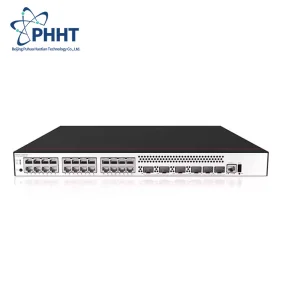
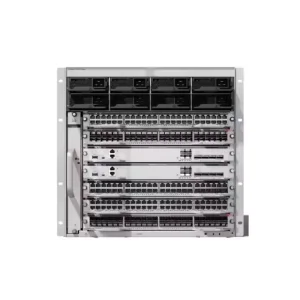
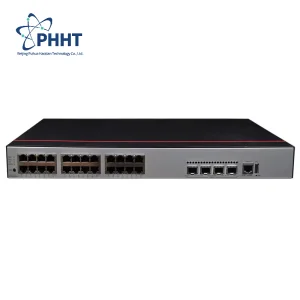
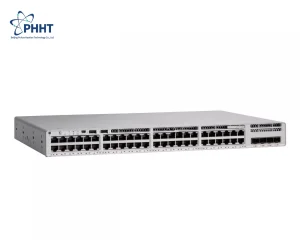
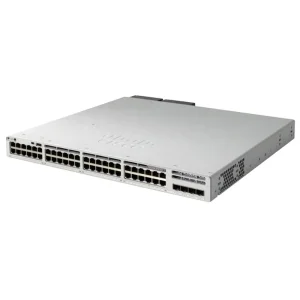
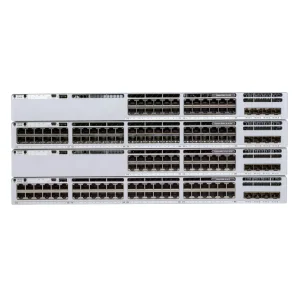
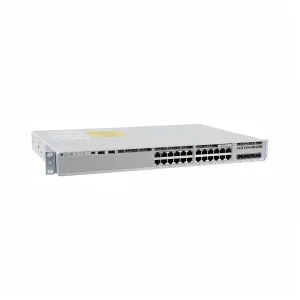
Large office buildings require robust Layer 3 switches (like the S5735-S24T4XE-V2 or Catalyst 9300 Series) at their core, coordinating Layer 2 switches at the department level. The central network coordinates VoIP services, video conferencing, and employee database systems. StackWise-80 tech or redundant uplinks ensure that if a fiber link goes down, traffic seamlessly reroutes to keep the office operational.
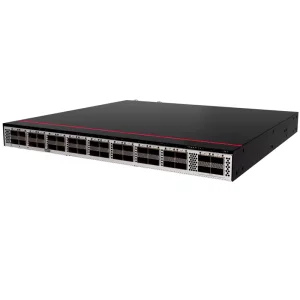
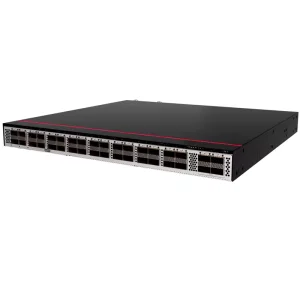
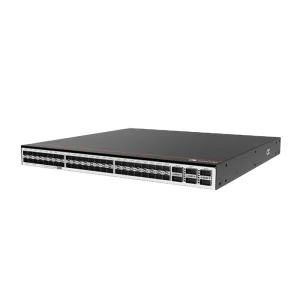
Modern high-density data centers need massive throughput and low latency. Utilizing 100GE core devices like the CloudEngine S6750-H36C or CE6860-48S8CQ-EI ensures that virtual machine migrations, cloud backups, and high-frequency data transactions process with zero delay. High density SFP28 (25G) and QSFP28 (100G) ports allow clean interconnectivity between server racks and storage arrays.
Deployments in warehouses, utility stations, and smart-city street monitoring require robust hardware. Industrial PoE switches configured with 6KV surge and lightning protection, large packet buffers, and wide thermal thresholds prevent hardware failures from extreme weather or electrical spikes. These switches drive PTZ surveillance cameras, access terminals, and factory-floor automation sensors.
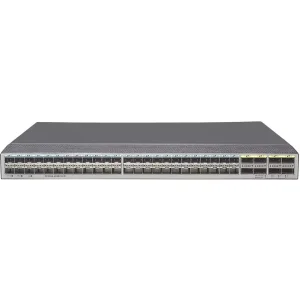
 Nexus AI Server