Explore our elite selection of compute nodes, virtualization hosts, and managed network switches designed to build resilient data backup environments.
A Whitepaper on Industrial Standards, System Integration, and Supply Chain Resilience in Contemporary Enterprise Deployments
In the digital-first economic era, data is the lifeblood of enterprise operations. The rapid escalation of ransomware, hardware degradation, human error, and regional disasters has shifted backup solutions from a simple operational insurance policy to a core pillar of corporate survival. Traditional legacy storage systems are no longer sufficient to handle the volume, velocity, and variety of modern workloads. Achieving zero-data-loss objectives requires a complex ecosystem combining raw processing power, high-throughput storage networks, virtualized application hosting, and unified backup pipelines.
This whitepaper details the architectural design of modern backup environments, showcasing the foundational role of high-performance servers, advanced networking devices, and optimized hardware configurations. We explore how enterprises utilize bare-metal hypervisors, secure SAN/NAS environments, and intelligent switching architectures to lower Recovery Time Objectives (RTO) and Recovery Point Objectives (RPO) to absolute minimums.
Write-Once-Read-Many (WORM) hardware policies preventing unauthorized modification or deletion of recovery points.
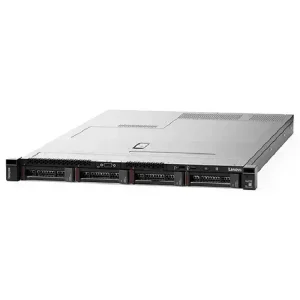
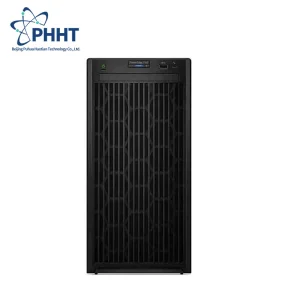
Dedicated 1U and 2U nodes optimized for Proxmox, VMware ESXi, and Windows Hyper-V clusters.
Managed switches with integrated hardware-level VLAN isolation to isolate backup targets from active production systems.
A resilient backup topology is structurally divided into three core hardware classes: Computing Nodes, Storage Targets, and High-Performance Interconnects. Our extensive product portfolio spans these exact segments to deliver complete end-to-end integration options.
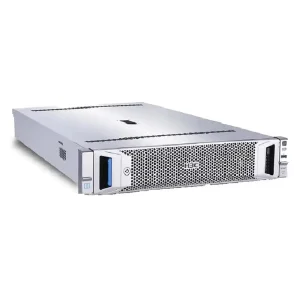
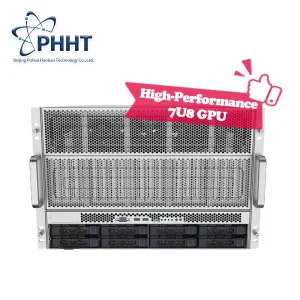
A. Computation & Virtualization Hosts: Devices like the Lenovo Rack Server SR258 V2 and H3C UniServer R2900 G3 act as the virtualization brains. By leveraging multi-core Intel Xeon and AMD EPYC platforms, these servers execute virtualization hypervisors, run real-time deduplication algorithms, and orchestrate automated snapshot regimes. For massive databases and AI-driven predictive recovery models, the Dual AMD EPYC 9004 High Performance GPU Server provides the parallel compute power needed to inspect backup indexes and decrypt secure volumes rapidly.
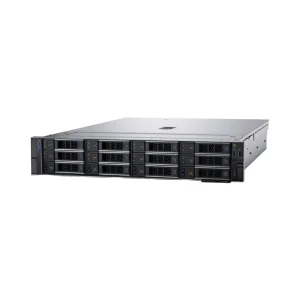
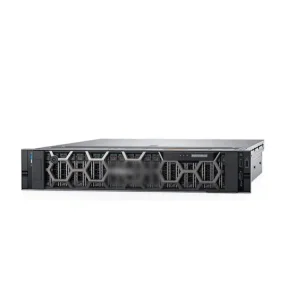
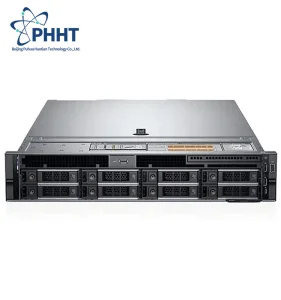
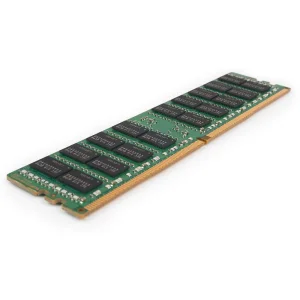
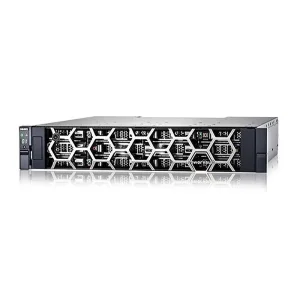
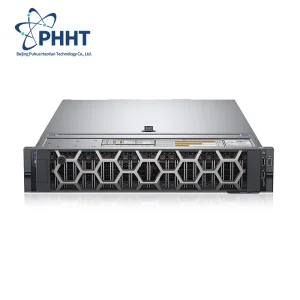
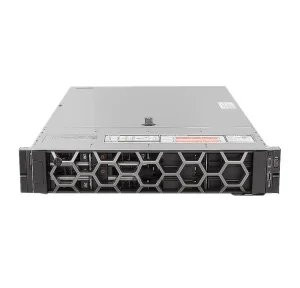
B. Deep Storage & NAS Targets: High-density rack systems, such as the Dell PowerEdge R740XD and the dedicated Dell PowerVault ME5024 Storage System, serve as the repository for hot and warm tier data. With support for dual-CPU compute pathways, large enterprise DDR4/DDR5 ECC memories, and multi-bay SAS/SATA/NVMe configurations, these systems store multi-terabyte snapshot archives while offering high IOPS to facilitate simultaneous recovery sequences.
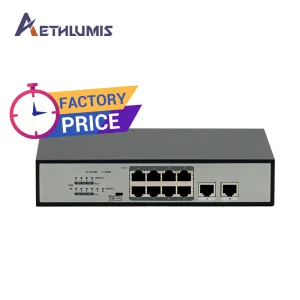
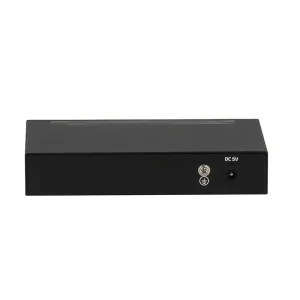
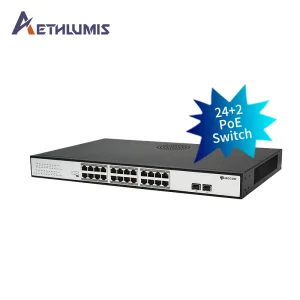
C. Hardened Network Interconnects: A backup plan is only as fast as its network. High-throughput switches like the Wholesale 24 Port Gigabit PoE Switch and the 8 Port Gigabit Ethernet Switch with VLAN Isolation enable secure SAN and NAS traffic isolation. Through physical DIP switches and managed VLAN policies, security administrators can prevent lateral malware migration. This ensures that even if the main client network is compromised, the backup server network remains unreachable and safe.
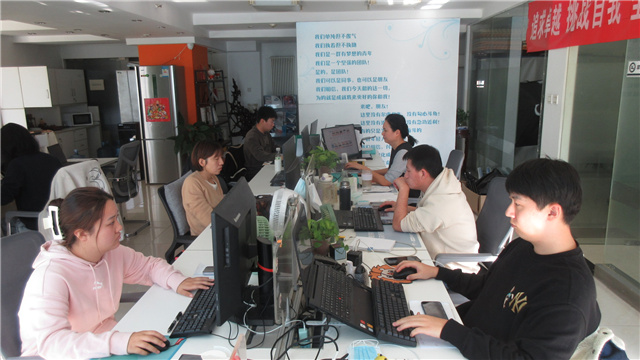
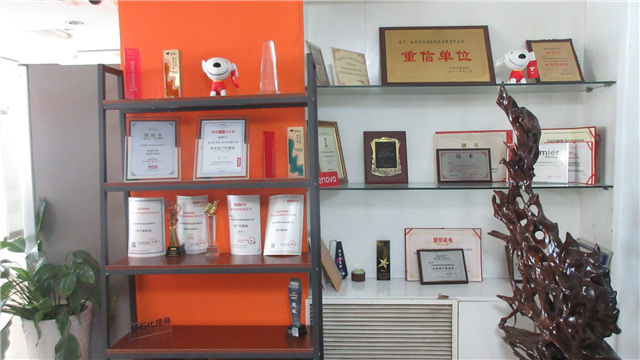
As a leading exporter registered in 2003 with 21 years of experience in the server and networking industry, we bridge the gap between complex hardware requirements and cost-efficient manufacturing. Our operations leverage the absolute best of Chinese industrial synergy: raw component traceability, specialized assembly, and stringent QA/QC controls.
While our physical assembly and custom configuration labs occupy a highly optimized 120 m² precision setup, our integration capabilities extend into an expansive ecosystem of global tier-one component suppliers. This enables our 3 graduate-level R&D engineers to design customized hardware layouts on demand, accommodating special system requirements, customized bios, and hardware configurations tailored to specific local software environments.
Under strict QA/QC supervision run by our dedicated inspectors, we conduct 100% inspection on all products. Before any server leaves our facilities, it undergoes rigorous stress testing, thermal cycling, disk read-write inspections, and memory stability sweeps. This meticulous verification system has built trust across our primary export markets, including the Domestic Market (50%), Eastern Europe (20%), and North America (15%).

The backup hardware industry is transitioning toward fully integrated hardware-software trust chains. Over the next three to five years, we anticipate significant shifts in backup storage technology, particularly in three areas:
Understanding user intent and operational environments is critical. Here is how our hardware range is deployed across key business verticals:
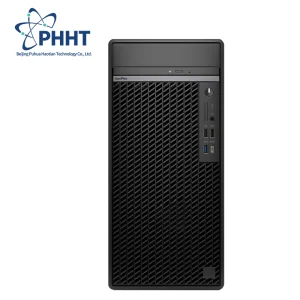
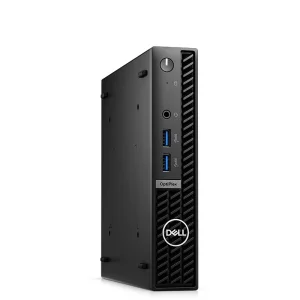
Using 8-Port PoE Switches and Optiplex 7010MT Desktops as endpoints, backed up locally to a Lenovo SR258 1U Server. Ideal for commercial services, schools, and branch banks.
High-performance rendering workstations connected via 24-Port Gigabit Switches to a high-capacity Dell R740XD 2U Rack Server. Keeps massive video files safe with high-throughput local SAN pipelines.
Deploying clusters of PowerEdge R760xs and AMD EPYC GPU servers to manage thousands of client virtual machines, using automated replication policies to secondary NAS nodes.
A quick snapshot of our industrial legacy, supply chain capability, and engineering support services.
Complete your backup topologies with high-capacity NAS, robust office clients, enterprise memory expansions, and high-port density switches.
 Nexus AI Server