
An industry whitepaper on the engineering paradigm shift of the Custom Aethlumis Server architecture and deployment capabilities.
Designed for mission-critical enterprise environments. Aethlumis servers optimize silicon real estate by pairing PCIe Gen 5 routing lanes directly to physical accelerators, reducing interconnect latencies by up to 34% compared to legacy architectures.
With Thermal Design Power (TDP) thresholds routinely exceeding 350W per socket, Aethlumis custom cooling arrays deploy localized vapor chambers and structural liquid cooling bypass zones to prevent micro-throttling in GPU virtualization environments.
Firmware vulnerability prevention is embedded into the silicon layer. Utilizing OpenBMC architectures combined with secure boot configurations, customized OEM servers ensure hypervisor safety, database privacy, and continuous operations.
In modern enterprise operations, purchasing off-the-shelf hardware often leads to structural overheads, over-provisioned power units, and unused silicon logic. The Aethlumis custom architecture addresses this optimization gap. By customizing chassis form-factors, tuning memory controller voltages, and stripping down legacy interfaces, global enterprises save up to 22% in total cost of ownership (TCO) while hitting precise performance milestones for multi-tenant virtualization, AI deep learning pipelines, and cloud database applications.
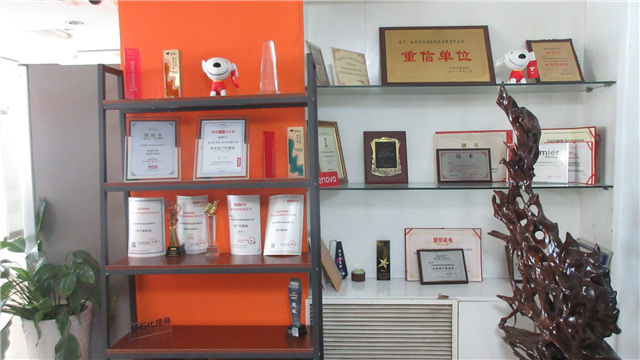
Demonstrated operational reliability, strict quality control procedures, and technical experience since 2003.
How the structural alignment of Southern China's tech corridor drives value, speed, and precision in custom computing hardware.
Our facility in Shenzhen's technological hub guarantees that we sit within a 50-kilometer radius of the world's most dense concentration of printed circuit board assembly (PCBA) plants, semiconductor packaging houses, and precision tooling manufacturers. This translates to hyper-accelerated developmental timelines.
Direct accessibility to components reduces latency in the production chain.
Many server providers rely on standardized, static designs. Our team of post-graduate R&D engineers leverages automated design systems to dynamically simulate thermal load maps and electrical impedance paths prior to physically etching boards.
Tailoring systems to the software layer for optimized execution efficiency.
How current architectural changes shape the procurement requirements of global datacenters.
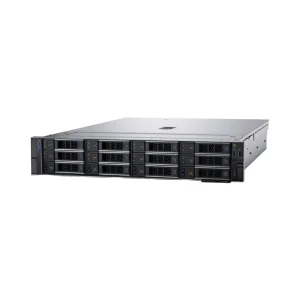
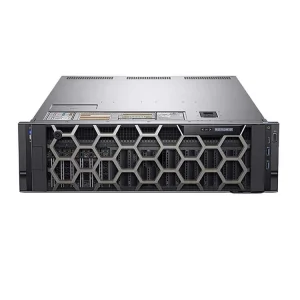
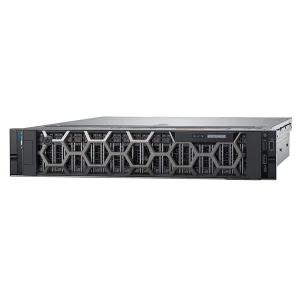
Hypervisors now routinely slice physical GPUs into virtual instances (vGPUs). This requires servers like the Aethlumis 2U Rack Server to feature robust internal power routing cables, specialized high-speed PCIe switches, and system cooling capable of managing sustained workloads.
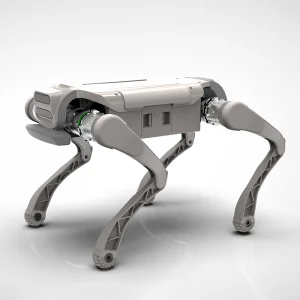
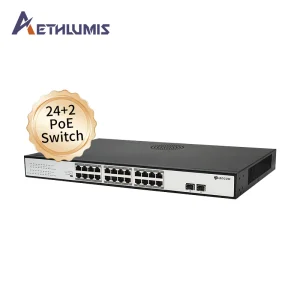
Deploying AI algorithms at the edge requires hardware tailored for harsh real-world environments. The High Performance AI Bionic Robot Dog and specialized switch frameworks prove that computation has moved beyond air-conditioned server rooms into factories, fields, and urban corridors, necessitating IP54 and IP67 ratings.
As cooling power consumption costs spike, PUE (Power Usage Effectiveness) reduction is a top priority. Deploying custom OEM chassis optimized for airflow pathing reduces structural fan resistance, lowering active rack-level energy draw by up to 12%.
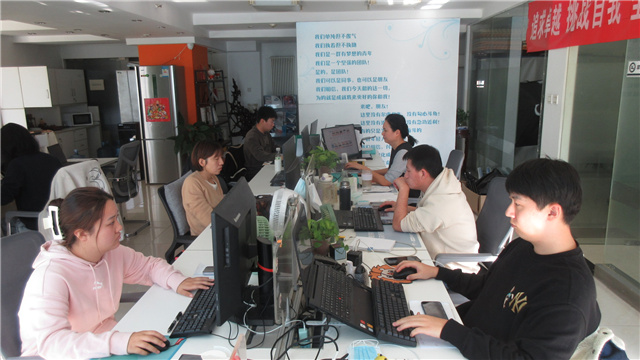
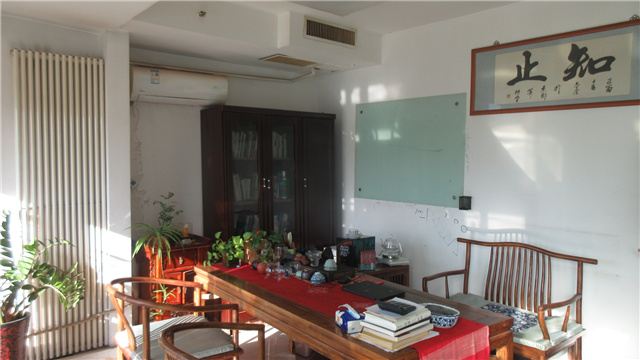
Visual verification of assembly lines, production capability, and industrial server design integrity.
Standardized server architectures struggle to meet localized application requirements. Discover our custom OEM/ODM solutions tailored for distinct computing domains.
Modern machine learning architectures demand constant inter-GPU communication bandwidth. We configure our chassis to align with the thermal demands of heavy GPUs, configuring robust NVLink architectures and power supply lines that prevent catastrophic system failures during multi-day model training.
Enterprise clouds require substantial I/O throughput and massive memory capacities. Our custom OEM server builds focus on maximizing DIMM slot densities and enabling hot-swap PCIe NVMe storage options, minimizing system downtime for maintenance.
Edge computations require resilient systems. The deployment of high-performance switches and specialized patrol robots, like the AI Bionic Robot Dog, illustrates how localized compute nodes must survive dust, moisture, and extreme temperatures.
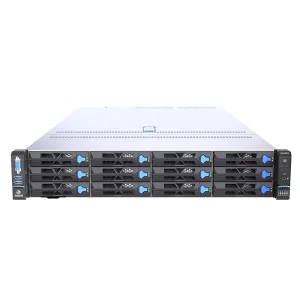
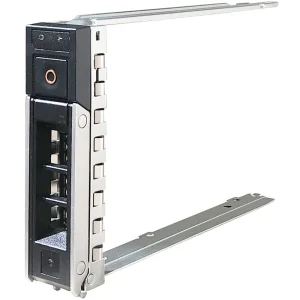
Unstructured data growth requires scalable storage solutions. Utilizing custom-engineered SATA/SAS hot-swap hard drive bays, we configure low-latency storage servers that maintain optimal data integrity and support complex software-defined storage arrays.
From initial design to global deployment: We ensure complete transparency, engineering validation, and regulatory compliance.
Our engineering team analyzes your specific computing workloads, power target profiles, and physical deployment constraints.
Drafting board schematics, creating sheet metal structural layouts, and validating components within thermal simulations.
Testing systems at 100% capacity in custom environment chambers to verify reliability under thermal stress.
Conducting complete system integration checks, installing customized firmware, and managing logistics for international delivery.
As a seasoned supplier in international hardware logistics, we manage regional certification processes. Whether your local regulatory frameworks require FCC, CE, RoHS, UL, or CCC certifications, our engineering team manages the compliance documentation. We run a secure procurement network with transparent component sourcing to eliminate security risks at the firmware and hardware level.
Detailed design specifications, compatibility notes, and OEM deployment logistics.
Yes. As a primary OEM manufacturer, we support BIOS customization to insert custom Secure Boot keys, enable or disable specific IPMI protocols, and modify fan speed tables. Our engineering team routinely works with clients deploying specialized Linux distros or customized hypervisors to ensure seamless compatibility with system controllers.
All GPU nodes undergo a continuous 72-hour burn-in phase under peak computational loads in temperature-controlled test bays. We utilize premium, high-efficiency power distribution units and solid polymer capacitors to absorb transient power spikes. This minimizes components degradation and hardware faults over extended runtimes.
We maintain a comprehensive material resource system (ERP) that tracks the batch number and supply source of every key component, from motherboards down to capacitors. This enables fast troubleshooting and containment in the rare event of a component-level anomaly, ensuring the reliability of our products.
For modifications based on existing system platforms, delivery timelines range from 3 to 4 weeks. For fully custom ODM solutions requiring new circuit board paths and custom thermal solutions, development time typically ranges from 6 to 10 weeks, depending on design complexity and regulatory approval requirements.
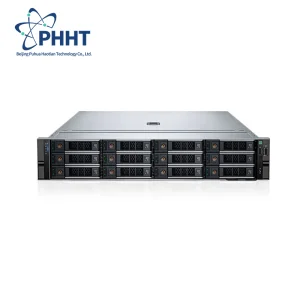
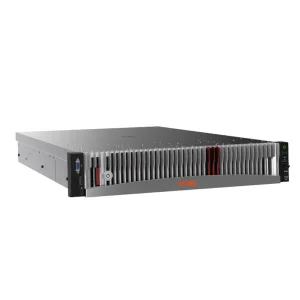
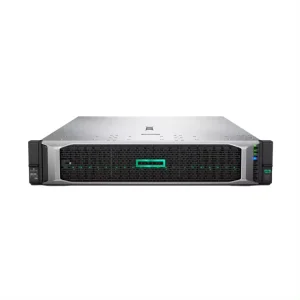
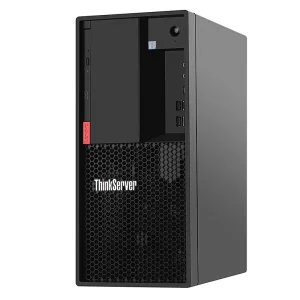
 Nexus AI Server