Explore our foundational infrastructure components, engineered to meet the high reliability and scalability demands of modern business compute networks.
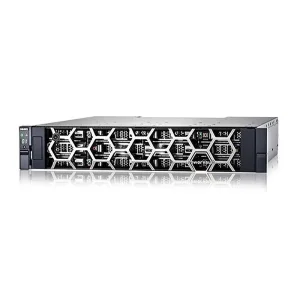
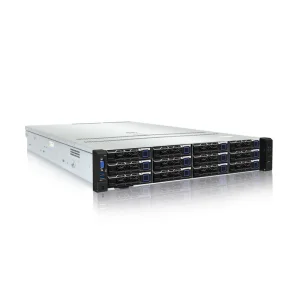
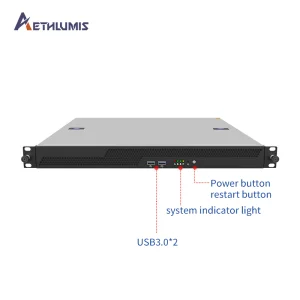
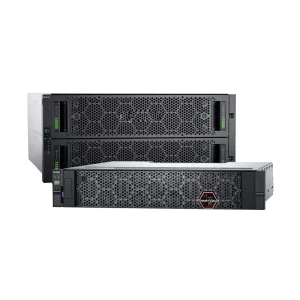
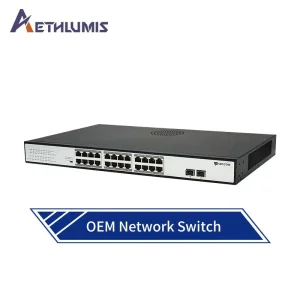
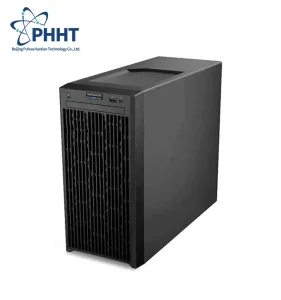
A comprehensive analysis of industrial density, rapid development methodologies, and supply chain ecosystem integrations driving global IT infrastructure.
The convergence of semiconductor layout, component fabrication, and precision mechanical engineering in key Chinese manufacturing corridors enables unparalleled efficiency. OEM/ODM desktop factories leverage localized, highly integrated ecosystems that bring component suppliers, printed circuit board (PCB) fabricators, and thermal design engineers into immediate geographical proximity.
This proximity transforms the design lifecycle. Design changes that typically require weeks in fragmented supply chains can be prototyped, thermally evaluated, and integrated into production-ready motherboard architectures in days. The resulting Design for Manufacturability (DFM) cycle yields higher assembly consistency and lower failure rates on deployment.
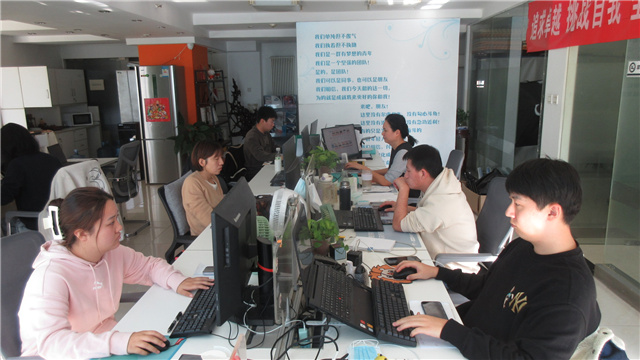
Unlike standard off-the-shelf system integrators, Chinese ODM suppliers operate deeply within the architectural stack. They control every step from layout design (L6) to full system build (L11), offering granular hardware modification choices:
This flexibility enables global enterprise clients to bypass standard, rigid design parameters and source custom hardware that matches their precise operational and software workloads.
Our 21-year operational foundation delivers proven engineering solutions for global enterprise deployments.
Verified manufacturing matrices, market footprints, and compliance quality standards.
Analyzing industry shifts toward AI-driven local computation and secure enterprise architectures.
Modern workflow demands have evolved past central cloud dependency. Global businesses increasingly require localized desktop computing options optimized for deep learning, NLP, and visual rendering.
By leveraging high-density multi-GPU workstations and compact AI servers, organizations run local Large Language Models (LLMs) and advanced data diagnostics securely behind corporate firewalls. This setup eliminates external latency, minimizes egress bandwidth charges, and secures sensitive operational data.
Consequently, OEM/ODM desktop factories are shifting focus toward high-current power distribution boards, advanced phase-change thermal solutions, and expanded PCIe Lane availability to maximize modern card performance.
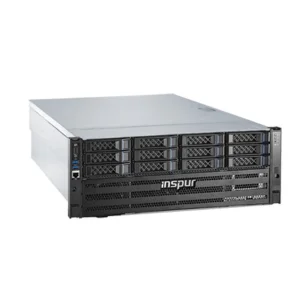
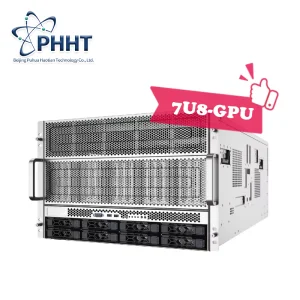
Integrating PCIe Gen 5 configurations with specialized multi-GPU power distributions for model training and local inference execution.
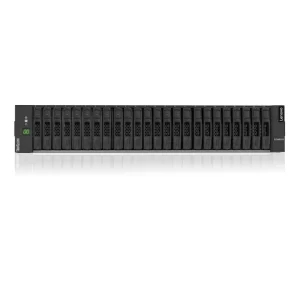
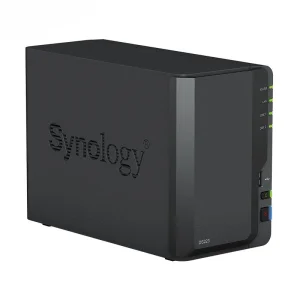
Tailored NAS server architectures combining high-capacity SAS/SATA drives with high-speed SSD caching pools for zero-latency retrieval.
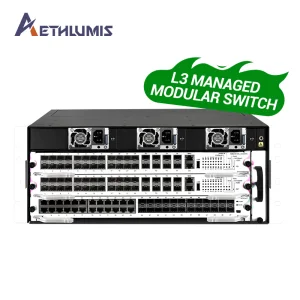
Ruggedized, fanless systems with custom I/O options, wide temperature tolerances, and integrated Layer 2/3 manageability for harsh settings.
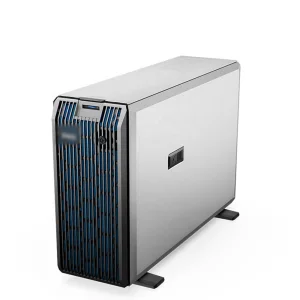
Precision layouts featuring expandable ECC DDR5 systems, custom BIOS profiles, and silent thermals to support uninterrupted professional editing.
From initial schematics to containerized global delivery, our engineering team builds reliable, high-performance hardware configurations tailored to your exact application needs.
Ensuring operational reliability through rigorous supply chain verification and quality controls.
Every motherboard component—from solid-state capacitors to advanced logic controller ICs—is logged at intake to ensure consistent quality and prevent issues from counterfeit parts.
Every custom client desktop undergoes multi-hour testing in environmental chambers, assessing performance under load at varying temperature and humidity thresholds.
Our engineering configurations are developed to meet CE, FCC, RoHS, and UL safety requirements, supporting seamless deployment across international enterprise sites.
Find answers to common questions about customization options, quality control, and supply chain logistics.
A: We use component-level serialization systems. Every critical silicon chip, high-density capacitor, and custom board layout is logged at intake. If an issue is flagged, we can isolate and address the affected batch immediately.
A: We support a wide range of custom requests, including custom metal chassis branding, modified BIOS code configurations, tailored PCIe lane setups, and unique backplane layout revisions.
A: Our systems use localized active ducting alongside custom copper vapor chambers. Combined with high-static pressure PWM fans, this configuration ensures stable operations during heavy workloads without throttling performance.
A: We perform a comprehensive 100% inspection protocol. Every system is tested for port connectivity, memory performance, and drive reliability, followed by a multi-hour burn-in process before final packaging.
A: Yes. We can integrate client-provided PCIe acceleration boards, custom firmware keys, or proprietary expansion cards into the configuration at our facility, delivering ready-to-run systems.
A: Standard sample builds are completed within 14 business days once engineering diagrams are signed off. Bulk production timelines depend on component volume but typically range from 30 to 45 days.
Complete your deployment with our range of high-bandwidth switches, rackmount towers, and reliable storage chassis.

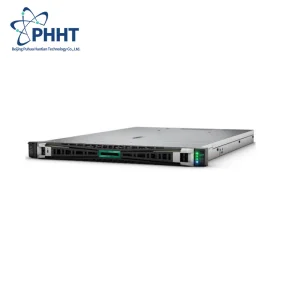
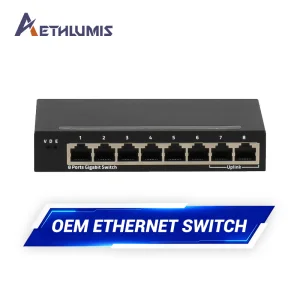
 Nexus AI Server