Explore our elite portfolio of high-density storage drives, scalable server systems, and robust core PoE switches engineered for modern corporate networks and intensive datacenters.
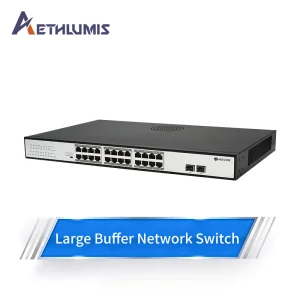
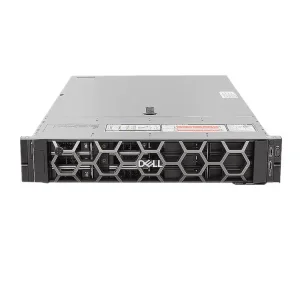
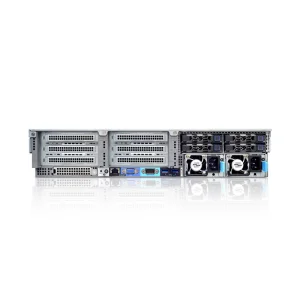
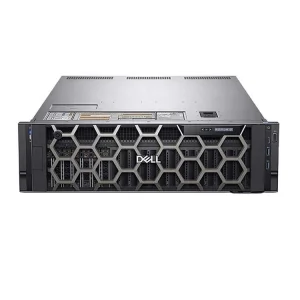
An In-Depth Whitepaper on Navigating the Enterprise SSD Supply Chain for Low Latency High-Performance Architectures
In the epoch of generative Artificial Intelligence (AI), Big Data diagnostics, and massive hyperscale virtualization, the baseline requirement for IT infrastructure has shifted from simple data capacity to real-time microsecond-level latency. Selecting a premier SSD supplier & exporter is no longer just a transaction for raw components; it is a critical strategy to secure enterprise reliability, protect user experiences, and maximize compute pipelines.
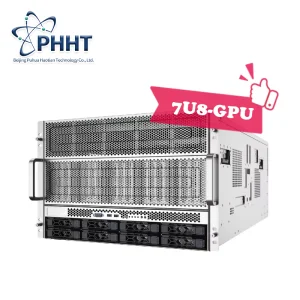
Whether deploying low-latency storage for AI inference pipelines running on systems like the Enterprise AMD EPYC Dual CPU 8 GPU Server, or building stable caching nodes using gigabit network infrastructure, enterprise SSD storage acts as the critical bridge preventing costly computing bottlenecks. As standard spinning disks disappear from datacenter frameworks, flash controller technology, NAND durability, and firmware optimization have become the focal points of infrastructure investment.
Our research into global procurement vectors shows that enterprise buyers are prioritizing custom-tailored NAND arrays. Advanced SSD configurations utilizing high-density 3D TLC (Triple-Level Cell) and high-end QLC (Quad-Level Cell) chips are dominating corporate purchases. Buyers seek providers that can guarantee end-to-end trace auditing, ensuring that raw flash wafers and controller chipsets are sourced from verified clean facilities with zero counterfeit risk.
By partnering with established tier-one exporters in primary technology clusters, enterprise clients secure custom firmware builds (supporting specialized TRIM and Garbage Collection schedules), prolonged Mean Time Between Failures (MTBF), and resilient hardware-level Power Loss Protection (PLP) designed to survive system outages.
Unlocking unparalleled manufacturing efficiency, cost structures, and customized technology integration from the heart of the global electronics supply chain.
Southern China’s hardware corridors host the world's most integrated semiconductor packaging and PCB assembly facilities. This dense concentration allows manufacturers to procure controllers, passive components, and high-frequency PCBs within a 50-mile radius, dramatically reducing lead times and cutting supply chain logistics overhead by up to 30% compared to fragmented international hubs.
Unlike global off-the-shelf brand conglomerates, Chinese SSD manufacturers offer direct customer-facing engineering teams. They facilitate customized PCB form factors (M.2, U.2, U.3, E1.S, E3.S), customized over-provisioning options to extend write life, thermal configurations for highly restricted chassis volumes, and custom-branded firmware optimized for specific server setups.
By leveraging automated test systems running 24/7, facilities execute massive multi-hour thermal cycle testing, write-erase validation, and power-cycling stress tests. Because production plants integrate hardware engineering with immediate factory-floor operations, firmware bugs are discovered, analyzed, and patched locally, securing robust performance from the start.
Bridging 21 years of electronics engineering with global client delivery networks.


Stay ahead of the curve by understanding the technological forces dictating future hardware deployments.
The transition to PCIe Gen 5.0 doubles the maximum interface bandwidth of enterprise drives, achieving throughput speeds up to 14 GB/s. When paired with advanced NVMe 2.0 architectures, these drives minimize command processing overhead. This design is highly critical for GPU clusters, where starvation occurs if the storage pipeline fails to feed deep learning engines fast enough.
The longevity of flash storage relies directly on controller intelligence. Modern algorithms utilize Low-Density Parity Check (LDPC) error correction alongside proactive wear leveling. By intelligently distributing write cycles across memory blocks, the drive preserves its performance curve and delays wearout, ensuring predictable enterprise operations.
Legacy 2.5-inch U.2 interfaces are gradually giving way to Enterprise and Datacenter Standard Form Factors (EDSFF). These new thin shapes allow datacenters to install double the drives in a single 1U or 2U server rack. The improved design boosts storage density, streamlines airflow, and optimizes power consumption, leading to lower operating costs.
Power Loss Protection relies on board-level capacitors to supply temporary backup power. If an unexpected power outage occurs, this system keeps the SSD controller running long enough to commit all cached in-flight data into non-volatile NAND blocks, preventing data corruption and file system failures.
Understanding how high-speed storage coordinates with servers and networking switches to drive massive organizational capabilities.
Modern machine learning training systems running multi-GPU setups require rapid caching of large datasets. The speed of a GPU cluster depends heavily on the throughput of its storage system. If the NVMe array is sluggish, high-cost graphics processors sit idle, waiting for training batches. Integrated solutions pair high-end storage with multi-node AMD/Intel servers to ensure maximum GPU compute utilization.
In virtualized environments running several virtual machines, the drive controllers encounter a chaotic mix of random write and read requests, often called the "I/O blender effect." Deploying enterprise-grade SSDs with high IOPS and solid over-provisioning ensures that virtual machines run smoothly and handle high traffic without performance drops.
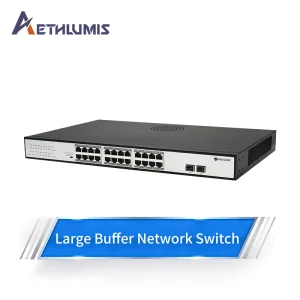
Edge video analytics and camera hubs require robust network switches to manage camera feeds. These hubs rely on local, high-speed storage arrays to save and analyze security video files. Using high-wattage gigabit PoE switches paired with dependable SSD arrays guarantees stable video capture, even in tough physical settings.
Enterprise data systems function best when high-speed storage is matched with fast network switches. Fast L3 managed switches and 10GbE fiber lines ensure that storage traffic moves smoothly across the corporate network, eliminating bottlenecks and keeping workflows active.
Ensure project success by executing systematic, audit-based vendor verification using these expert evaluation criteria.
Always verify if your supplier has direct relationships with NAND flash memory foundries or major flash wafer distributors. Top exporters must show documented trace audits that track raw flash wafers from initial silicon sorting to final product assembly, guaranteeing they are using top-tier, grade-A chips.
Calculate the daily write needs of your project. Read-intensive setups (like web servers or boot drives) can use low DWPD drives (0.5 to 1.0). In contrast, write-heavy workloads (such as database logging or virtual desktop infrastructure) need drives with a higher DWPD rating (3.0 or more) to ensure they last through the warranty period.
Ask candidates about their firmware customization capabilities. For example, can they customize TRIM timing, configure custom write cache limits, or implement specific thermal throttling profiles to match your hardware layout? These changes help maintain high storage performance and prevent system overheating.
Ensure the supplier uses 100% inspection methods on all manufacturing lines, rather than random sample testing. Ask for detail reports on burn-in testing, thermal cycle times, and automated optical inspections (AOI) to verify that the hardware is built to last.
Crucial semantic search intent answers compiled by our Senior SEO & Storage Technology team.
Enterprise SSDs are built to handle constant, intensive workloads. They feature hardware-level Power Loss Protection (PLP), higher over-provisioning to prolong drive life, lower write latency, and a higher Drive Writes Per Day (DWPD) rating. Consumer SSDs, on the other hand, are optimized for intermittent tasks and prioritize cost over write endurance.
Material traceability ensures that all components, including NAND flash wafers, controller chips, and PCBs, are sourced from certified manufacturers. This prevents the use of counterfeit or lower-grade materials, which can lead to early drive failure and critical data loss.
Yes, professional manufacturers can modify SSD firmware. This includes optimizing garbage collection routines, tuning wear-leveling algorithms for specific file systems, and adjusting thermal throttling settings to match the cooling profile of your servers.
While traditional U.2 and U.3 form factors remain common, modern high-density setups are shifting toward Enterprise and Datacenter Standard Form Factors (EDSFF) like E1.S and E3.S. These form factors offer better thermal performance and allow more drives to be installed in a single rack unit.
AI training relies on large datasets that need to be fed to GPUs continuously. High-performance PCIe Gen 5 NVMe drives provide the necessary throughput and low access latencies to keep GPUs fully utilized, preventing training delays caused by slow storage pipelines.
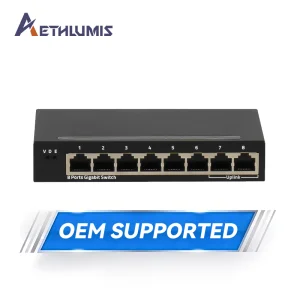
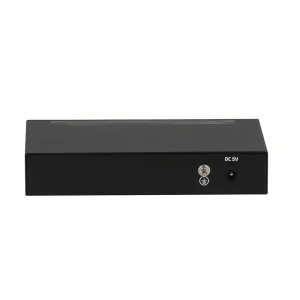
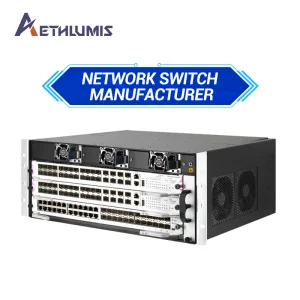
Complementing your fast flash storage with robust managed PoE networking switches and high-density, multi-core server platforms.
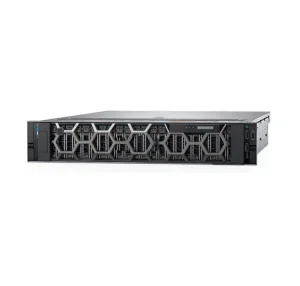
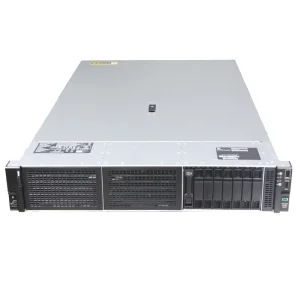
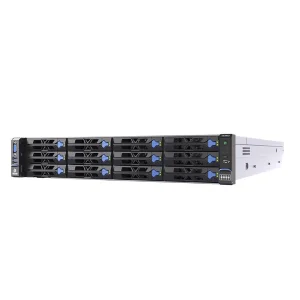
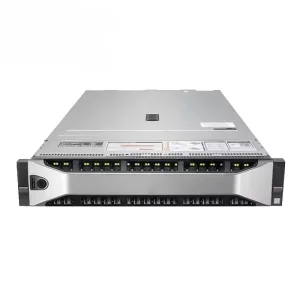
 Nexus AI Server