Explore the initial tier of high-availability enterprise hardware engineered for demanding processing loads, virtual environments, and scalable networks.
In the global enterprise computing arena, procurement strategies for high-performance servers, scalable switching architectures, and AI computing hardware have become core drivers of competitive advantage. Sourcing directly from top Chinese partners aligned with the Lenovo ecosystem delivers an unmatched integration of manufacturing scale, advanced quality assurance, and design agility. China's electronic and computing equipment manufacturing ecosystem acts as the central hub for the global hardware pipeline, combining access to high-grade components with mature, scalable manufacturing methodologies.
The Hefei industrial cluster (specifically LCFC, Lenovo's largest manufacturing base) alongside integration facilities across Shenzhen and Wuhan represent the leading edge of this ecosystem. These sites are not merely assembly plants; they are highly integrated engineering complexes that run concurrent designs, customize thermal profiles for hyper-converged architectures, and execute automated hardware level verification tests (L10 testing). By sourcing from suppliers situated within these critical clusters, global enterprises secure access to cutting-edge server components, hard-drive assemblies, custom brackets, and high-density network switches at optimal cost-to-performance ratios.
Working with partners integrated into the domestic Chinese supply network enables buyers to bypass intermediary markups while maintaining full adherence to international enterprise compliance. This guide outlines the core design methodologies, manufacturing capacities, technological trends, and rigorous quality check protocols defining modern Lenovo supply partners operating out of mainland China.
Enterprise hardware sourcing demands absolute reliability. A single failed node or corrupted switch backplane can cause costly downtime across data centers and corporate networks. Realizing this, leading manufacturers have built their businesses on transparent operations, detailed traceability, and robust engineering competencies.
Our manufacturing and distribution framework is built on a 21-year legacy of industry expertise, dating back to our registration in 2003. We serve critical system integrators, corporate clients, brand businesses, and engineers in major markets, including Eastern Europe, North America, and domestic projects.
Our quality control infrastructure focuses on complete accountability. Unlike suppliers relying on batch sampling, we implement a 100% inspection protocol across all production lines. Each rack server, PoE switch, and high-density GPU chassis undergoes comprehensive functional verification before leaving the floor. This testing covers physical and component-level verification, signal integrity analysis, thermal stress tests, and validation of raw material origins.
Our R&D team consists of graduate-level engineers who focus on custom hardware integrations, component optimization, and designing thermal brackets and chassis modifications. This setup allows us to easily support custom processing requests, graphic design layouts, and bespoke, on-demand physical configurations.
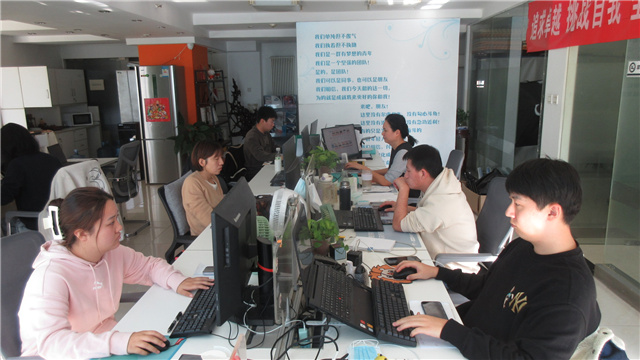
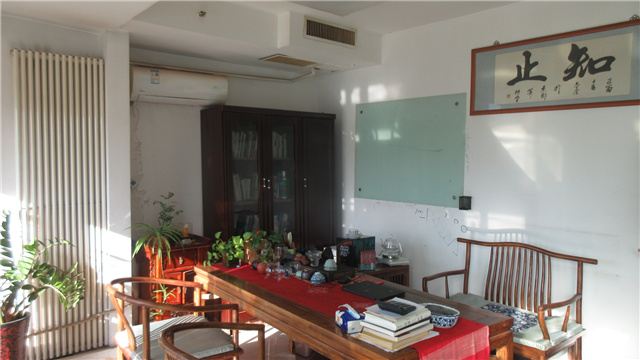
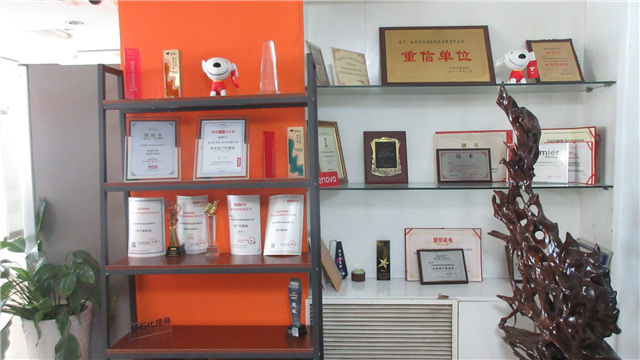
To verify our production scale and operational environments, we maintain complete transparency regarding our facilities and engineering workspaces. Below are actual views of our verified technical integration offices, assembly areas, and quality testing floors, where custom configurations are validated daily:
The enterprise server and network landscape is undergoing a structural shift driven by modern generative AI workloads, containerized virtualization platforms, and high-bandwidth edge networks. Sourcing hardware that is compatible with these emerging technologies ensures your infrastructure remains viable for years to come.
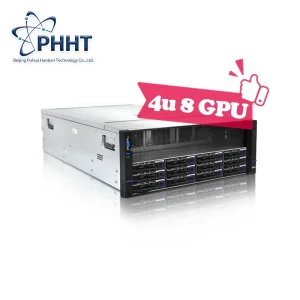
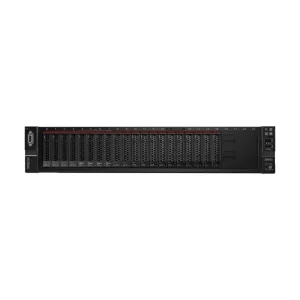
Modern generative models and deep learning engines require dense GPU setups. Industry architectures, such as 4U 8-GPU systems, utilize specialized PCIe configurations and NVLink fabrics to handle massive parameter matrices without data bottlenecks.
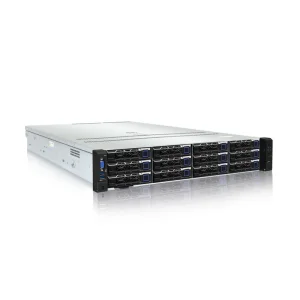
Enterprise data hubs continue to transition away from separate storage systems and toward hyper-converged setups. Modern x86 servers feature high core counts and dense NVMe storage options, allowing they to support hundreds of virtual machines simultaneously.
As processing nodes shift to the physical edge, network security becomes a priority. Modern edge hubs use hardwired VLAN isolation DIP switches to segment traffic at the physical layer, preventing cross-device security issues without needing complex CLI commands.
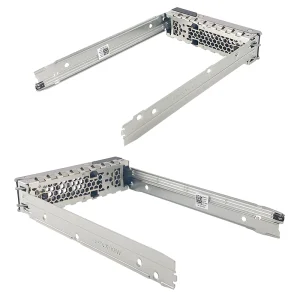
These developments highlight the need for close coordination between procurement managers and manufacturing engineering teams. For example, deploying high-wattage PCIe GPUs require specialized power supplies and customized cooling systems to prevent heat throttling. This makes structural modifications—such as custom 3.5-inch and 2.5-inch server drive trays, optimized fan profiles, and custom rack mounts—vital for maintaining system stability.
Our catalog is designed to fit seamlessly into complete enterprise solutions, helping system designers build reliable setups from the edge to the core cloud infrastructure.
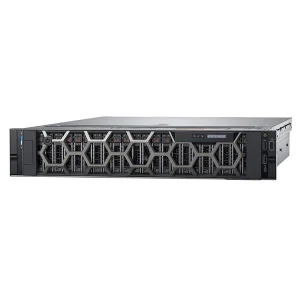
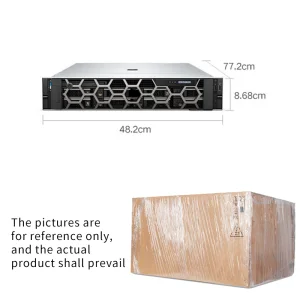
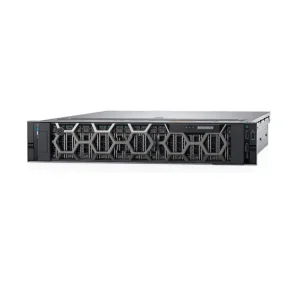
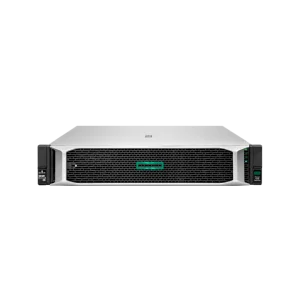
For cloud service environments, high-density server configurations optimize rack usage while providing massive virtualized memory capabilities. The deployment of high-throughput compute engines like the PowerEdge R760 series enables system architects to allocate dedicated physical cores and PCIe lanes to virtualization containers, ensuring steady performance for applications, ERP platforms, and cloud storage systems.
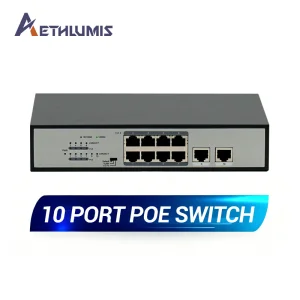
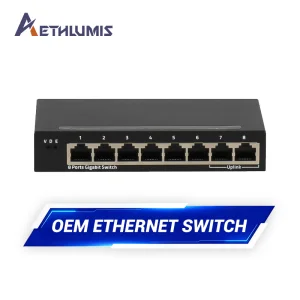
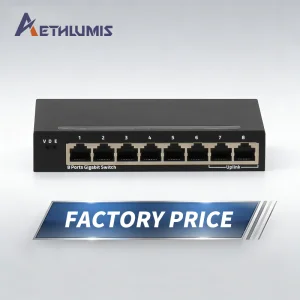
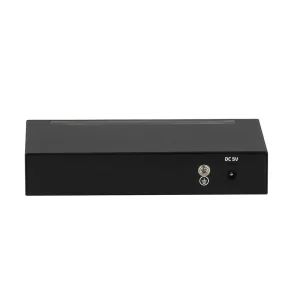
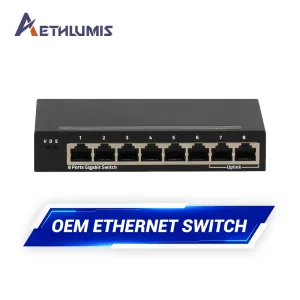
Edge networks require durable power options. Our 8-port gigabit PoE switches provide up to 120W of total output, driving security nodes and wireless access points. Using built-in DIP switches to extend transmission ranges up to 250 meters allows system integrators to configure installations across warehouse and factory spaces without needing additional signal repeaters.
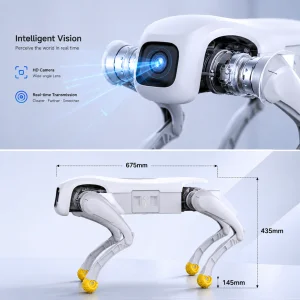
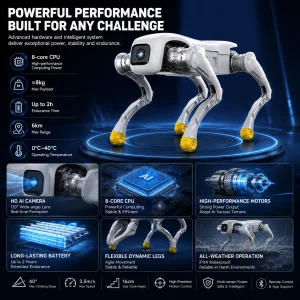
Our programmable quadruped robotic systems offer a flexible mobile platform for automated environments. Outfitted with bionic programming suites and integrated sensors, these units inspect hazardous industrial spaces, monitor storage facilities, and test wireless coverage across large data centers.
For small to medium businesses and retail networks, unmanaged switches with dedicated VLAN isolation buttons prevent network loops and broadcast storms. This design keeps ports isolated from one another while allowing them to communicate through the uplink ports, providing quick security configurations without needing complex network management interfaces.
Purchasing high-performance computing hardware from China requires verifying component quality, manufacturing capabilities, and compliance standards. This checklist helps procurement teams evaluate potential suppliers:
Our engineering team works directly from your specifications, custom bios settings, and specialized drive-tray setups. We handle modification requests, graphic revisions, and mechanical component integration. Our R&D team reviews your design requirements to ensure compliance with thermal limits and power standards before starting manufacturing.
All servers undergo component testing, custom diagnostic scripts, and long-term thermal burn-in under heavy computing loads. Our 100% inspection program checks every physical port, PCIe lane, memory slot, and power supply unit to prevent hardware issues from reaching your site.
Built-in VLAN isolation provides a quick, hardware-level security setup for edge networks. When enabled, it isolates individual downlink ports from one another, preventing unauthorized traffic sharing and network loops. Downlink ports can only communicate with the designated uplink ports, helping protect connected devices from basic network security risks without needing complex management setups.
We maintain full trace tracking for all key components, including chipsets, network components, and hard-drive housings. We verify component origins to protect your supply chain from counterfeit parts, ensuring reliable operation in production-grade systems.
Lead times vary based on configuration complexity, ranging from immediate shipment of standard parts to customized configurations requiring additional testing. We work with major shipping carriers to coordinate container loading and customs documentation, helping streamline transport to North American, European, and Asian markets.
Explore the remaining tier of high-availability enterprise hardware, components, and intelligent switches designed to optimize processing throughput and data distribution.
 Nexus AI Server