Explore our elite selection of enterprise server nodes, processing systems, network switching technologies, and premium RAM units designed for absolute compute reliability.
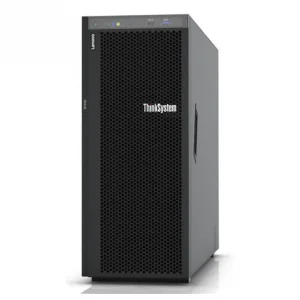
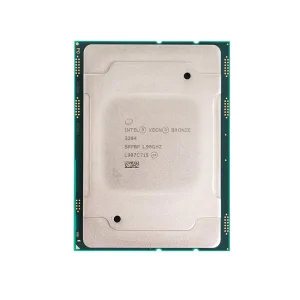
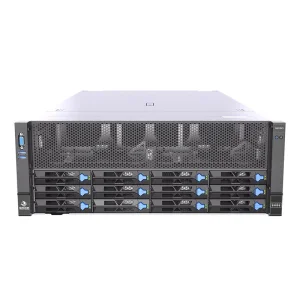
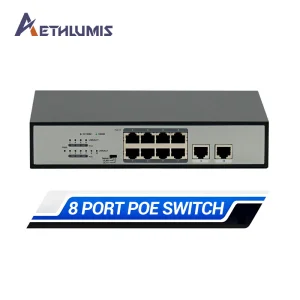
Over two decades of excellence in high-performance hardware engineering and international components shipping.
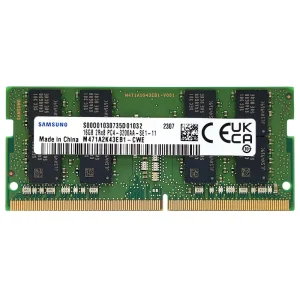
In the hyper-scale computing paradigm, random-access memory (RAM) is no longer a peripheral resource; it is the ultimate deterministic benchmark for overall platform throughput. The global semiconductor landscape is experiencing structural transitions driven by high-density Artificial Intelligence (AI) acceleration, real-time analytics, and virtualized enterprise software. In this context, locating a top trusted RAM exporter is a critical operational imperative for hardware designers, corporate datacenters, and systems integrators globally.
As modern data configurations demand high-density memory nodes, the RAM sector is seeing unprecedented changes in standard lithographies. Dynamic Random-Access Memory (DRAM) is progressing from DDR4 to DDR5 interfaces, introducing dual-channel sub-architectures per module, on-die Error Correction Code (ECC) mechanisms, and Integrated Power Management Integrated Circuits (PMICs). Consequently, the global supply chain requires robust exporters capable of shipping certified, traceable, and thoroughly tested hardware modules that satisfy the structural limits of enterprise configurations.
"The migration from legacy systems to advanced computing nodes relies entirely on memory efficiency. A single bottleneck in memory speed can reduce processor capacity by up to 40% in large cluster environments."
When specifying memory requirements for high-performance servers, understanding architectural differences is critical. DDR5 brings fundamental improvements over DDR4 to address the compute demands of modern multi-core processors.
| Feature Parameter | DDR4 Enterprise Standard | DDR5 High-Density Architecture | Operational Impact |
|---|---|---|---|
| Data Rate Range | 1600 - 3200 MT/s | 4800 - 8400+ MT/s | Reduces memory latency in database workloads |
| Operating Voltage | 1.2V | 1.1V | Lowers power usage in major server installations |
| Power Management | Located on Motherboard | On-DIMM PMIC Integrated | Enhances signal integrity and power efficiency |
| Channel Architecture | 1 x 64-bit Channel | 2 x 32-bit Subchannels | Increases memory access efficiency |
| On-Die ECC | Not Available (Requires CPU-level ECC) | Standard Integrated Support | Corrects single-bit errors directly within the DRAM chip |
This transition is essential for environments using systems like the Intel Xeon CPU series or AMD EPYC infrastructures. Memory bandwidth is directly proportional to CPU cores; as cores multiply, system stability depends on high memory bandwidth.
Modern hardware must perform reliably across diverse application environments. Our memory modules are deployed in a range of environments worldwide:
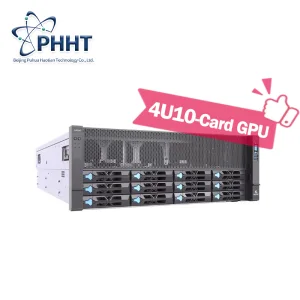
Supporting high-density compute tasks on 8GPU/10GPU servers. Memory keeps GPU cores fed with model data without creating system bottlenecks.
Powering corporate networks and core storage databases where system stability and data consistency are essential for operations.
Delivering high virtual density in compact, thermal-efficient configurations, including dual GPU configurations and specialized 2U storage hosts.
Across these environments, the choice of memory modules directly impacts infrastructure efficiency. Deploying tested components from a reliable RAM exporter helps prevent unexpected system downtime and reduces maintenance overhead in demanding, high-workload operations.
As computational workloads evolve, the physical limitations of modern bus technologies demand alternative topologies. The industry is currently moving towards Compute Express Link (CXL) protocols. CXL enables memory resource pooling, allowing servers to share memory dynamically over high-speed PCIe lanes, which helps optimize resource allocation across systems.
In high-density compute markets, High Bandwidth Memory (HBM3e/HBM4) is standard for processing units with high memory bandwidth demands. Concurrently, standard system RAM is shifting toward DDR6, which plans to double transfer rates and introduce more efficient power management systems. Maintaining access to these upcoming technologies requires partnerships with exporters that have established supply chains and engineering support systems.
Our Quality Control framework is built on a simple principle: 100% inspection of all products. From raw silicon wafers to finished memory modules, each component undergoes rigorous testing to verify physical trace integrity, electrical stability under load, and logic alignment under thermal stress.
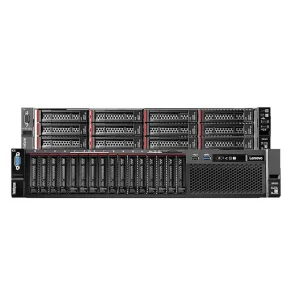
Our dedicated R&D engineering team, consisting of graduate professionals, oversees all product customizations, including sample processing, custom layouts, and client-specific design specifications. This ensures all components are fully compatible with modern server platforms like the Lenovo SR588, Dell PowerEdge, and custom-configured AMD EPYC platforms.
"With a 21-year operational history, we balance engineering expertise with global logistics capability. Our production processes include full materials traceability to ensure consistent components reach our partners."
Select options for hardware components, networking systems, high-density server rails, and virtualization systems.
Transparent production values, supply chain verification, and engineering metrics.
Answers to technical questions from our global client base of engineers, system builders, and procurement officers.
 Nexus AI Server