Discover high-performance workstations, deep learning servers, and robust L3 routing components built to support complex IT infrastructures.
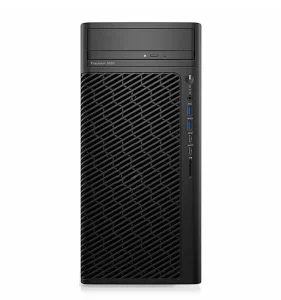
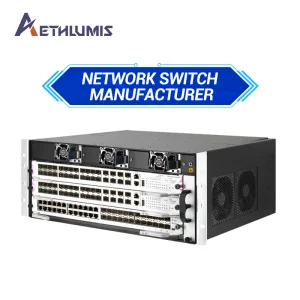
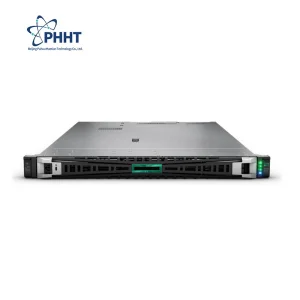
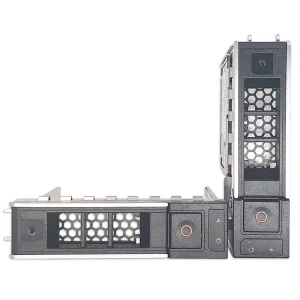
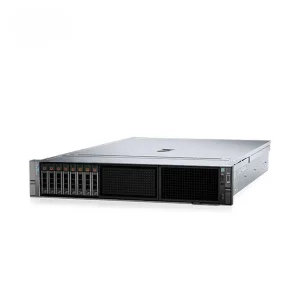
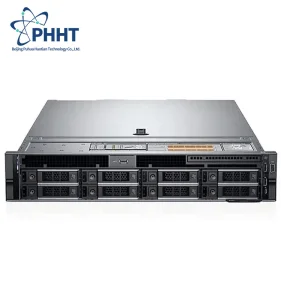
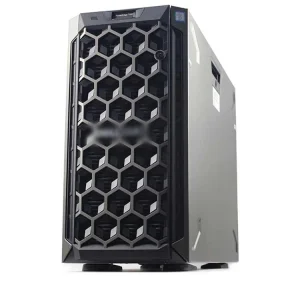
The global digital economy relies on high-speed data transmission, ultra-low latency, and reliable hardware configurations. As machine learning algorithms, large language models (LLMs like DeepSeek, GPT architectures), and high-frequency virtualization scale up, data center operations require more than standard systems. Scalable server architectures demand premium, high-integrity accessories designed for performance, cooling efficiency, and signal integrity.
Enterprise platforms use modular systems to handle continuous computing workloads. Simple components like hot-swappable hard drive trays (SAS/SATA brackets), low-latency network interface cards (NICs), layer-3 core switches, and rackmount chassis rails form the foundation of cloud virtualization. These components help modern computing grids run smoothly. Global demand focuses on hardware that prevents downtime, improves thermal dissipation, and offers seamless compatibility across multi-vendor setups (like HPE, Dell, and Cisco ecosystems).
Modern data centers run hot, dense computing operations that require precise engineering. Component failures lead to costly service-level agreement (SLA) penalties. Our engineering focus prioritizes component reliability to reduce maintenance cycles and maximize system availability.
From an international logistics perspective, system integrators look for partners who combine mechanical precision with global export readiness. A high-density server rack requires precise dimensions to ensure correct air circulation and structural integrity. Standardizing SAS/SATA brackets and hot-swappable bays prevents mechanical friction and protects drive backplanes from signal loss during live maintenance. Modern server accessories balance high mechanical tolerances with electrical shielding to limit electromagnetic interference (EMI).
China's industrial supply chain provides key advantages for server hardware manufacturing. We combine raw material sourcing, mold-making, stamping, CNC machining, and automated quality control to deliver high-precision products quickly. This integrated setup allows us to move from custom designs to volume production faster than overseas competitors.
Our factory adapts to specific enterprise demands. Whether you need custom HDD caddy configurations, specific sheet metal thicknesses for server brackets, or custom network switch configurations, our engineering team manages the process from start to finish. We conduct multi-stage quality control checks to verify that every component matches global industry dimensions.
Supporting international enterprise buyers with scalable manufacturing, strict quality standards, and decades of engineering experience.
How our components integrate into critical industrial, corporate, and cloud computing environments.
High-power GPU arrays require robust airflow designs and secure hardware brackets. Our hot-swappable drive trays and structural components keep high-performance storage arrays stable under intense computing loads.
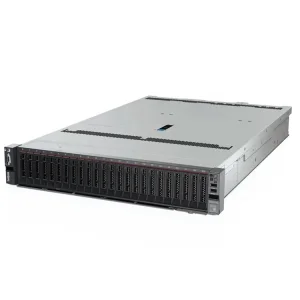
We supply 1U and 2U rackmount component housings, custom server rails, and low-latency storage interfaces that support virtualized environments running on Intel Xeon and AMD EPYC platforms.
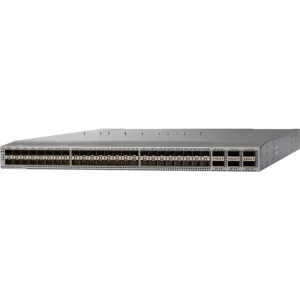
Our L3 managed switches handle routing protocols (OSPF, BGP) and multi-gigabit throughput. Dual-power redundancy prevents packet loss and maintains uptime for core communication infrastructure.
The server industry is shifting toward higher power density and hybrid cloud models. As AI accelerators like NVIDIA and AMD architectures pull more power, physical server chassis need better cooling designs. Traditional air cooling is moving toward liquid-to-metal contact cooling, requiring server brackets and trays to accommodate direct-to-chip water blocks and complex plumbing lines. We adapt our manufacturing processes to meet these changing structural layouts.
At the same time, network speeds are moving from 10G and 100G to 400G and 800G. This makes core switch components, physical transceivers, and shielding layers highly sensitive to minor structural variance. A small misalignment in an optical fiber transceiver bay or a L3 core switch port can cause packet degradation or physical connection failures. As a supplier with 21 years of experience, we update our stamping dies and CNC mills to ensure compatibility with high-speed components.
Additionally, the transition to PCIe Gen 5 and Gen 6 interfaces requires clean routing paths and minimal electromagnetic interference. Metal components near the motherboard, including drive cages, bracket enclosures, and card retention assemblies, must be manufactured with precise shielding geometries. Our R&D team works directly with system integrators to develop components that meet these tight specifications, ensuring your equipment operates without performance bottlenecks.
Technical insights and answers to common procurement questions from global enterprise buyers.
We manufacture our hot-swap caddies using high-precision metal stamping dies and injection molding processes. This allows us to keep tolerances within 0.05mm. Every production run undergoes structural matching tests with Dell and HPE chassis models. This ensures our caddies slide in smoothly and lock securely into the server backplane without damaging the connector pins.
Our managed switches support Layer 3 routing features, including OSPF, BGP, and RIP. They handle high-bandwidth workloads with up to 1.47Tbps switching capacity. They feature stackable architecture, VLAN isolation, QoS prioritization, and redundant dual power supplies to keep core enterprise networks running reliably.
We verify all raw materials, including sheet steel, aluminum alloys, and high-performance plastics. We document material batches to ensure they meet our mechanical and thermal standards. This prevents issues like metal fatigue or plastic degradation in high-temperature environments.
Yes. Our R&D team uses CAD/CAM modeling to design, prototype, and manufacture custom brackets, mounting kits, and metal enclosures. We configure mounting assemblies to match the thermal, mechanical, and spatial requirements of your server racks.
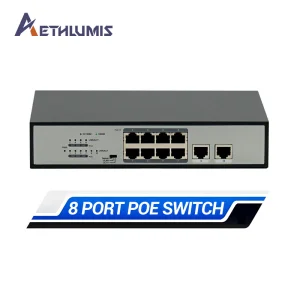
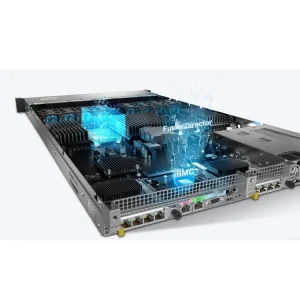
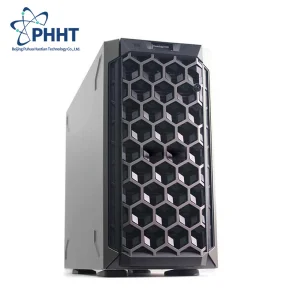
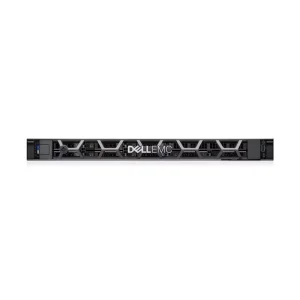
Explore rackmount architectures, PoE networking switches, and performance nodes designed for high-density environments.
 Nexus AI Server