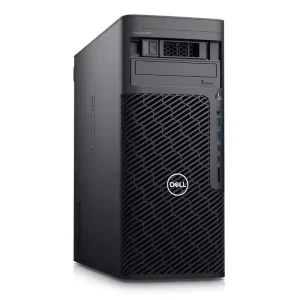
Selected high-compute systems engineered for 3D design, localized AI inference, and industrial database workloads in Uzbekistan.
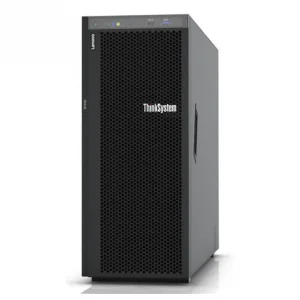
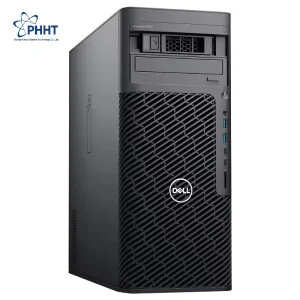
Providing rigorous testing, international logistics, and localized customization pipelines to the Central Asian market.
As Central Asia's fastest-growing economy, Uzbekistan is undergoing a historic structural shift. Under the "Digital Uzbekistan 2030" strategy, the digitization of industrial sectors, the establishment of the Tashkent IT Park, and the migration of local government databases require resilient, high-density computing platforms. Tower servers have emerged as the foundational pillar for these operations due to their flexibility, ambient thermal tolerance, and low setup overhead.
Unlike massive hyperscale datacenters, which are expensive to lease and manage locally, modern enterprises in Tashkent, Samarkand, and Namangan are building hybrid compute nodes. These on-premise systems handle ERP architectures, financial ledgers, and logistics processing without suffering from international bandwidth latency or data residency compliance risks.
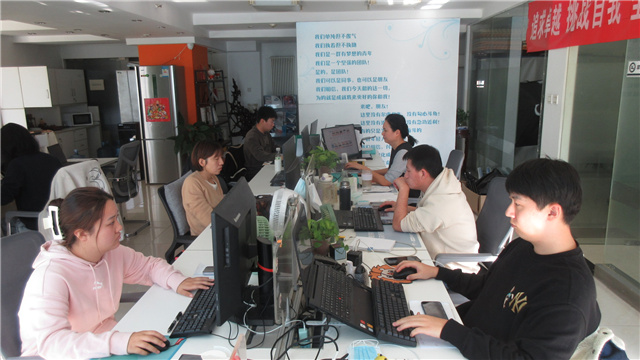
Bridging cutting-edge global computing trends with the operational realities of the Central Asian enterprise landscape.
Global tech trends emphasize bringing AI compute closer to data generation. Our GPU-enabled workstations and ST258 V2 tower servers allow retail and banking networks in Uzbekistan to deploy local natural language processing (NLP) models and computer vision pipelines in-house.
Many offices in developing industrial zones lack specialized server rooms with precision cooling. Modern tower servers utilize larger, slow-spinning fans and optimized heatsink fin layouts to remain quiet and cool, even during hot summers where ambient temperatures rise.
Tower configurations provide immediate scalability. Unlike thin rack-mount chassis, tower servers support off-the-shelf GPU expansions, multiple PCIe Gen 5 controller cards, and hot-swappable high-capacity SAS/SATA drives without proprietary mounting kits.
We actively monitor the evolution of next-generation enterprise chipsets. As an established manufacturer exporting to the CIS region, our future-proofing strategies for Uzbekistan include:
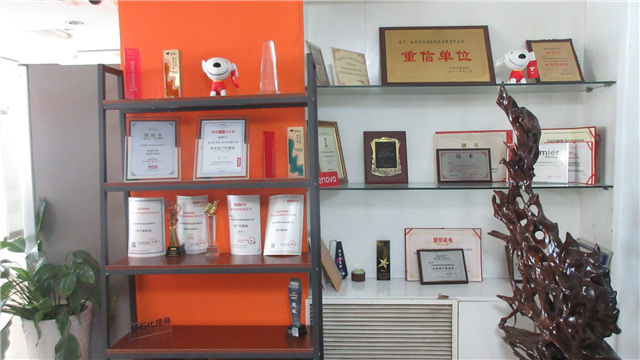
A transparent look at our established operation, engineering assets, and strict quality control pipelines.
Pre-configured and custom-validated setups optimized for typical localized enterprise workloads.
Tailored for manufacturers and distributors in the Tashkent and Fergana regions managing localized warehouse inventories, supply chain planning, and multi-tier bookkeeping systems (such as 1C:Enterprise frameworks).
Engineered for architectural studios, structural engineers, and creative agencies in urban development hubs working with Revit, AutoCAD, Blender, and heavy visualization pipelines.
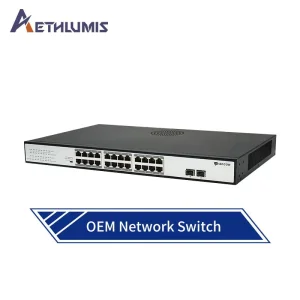
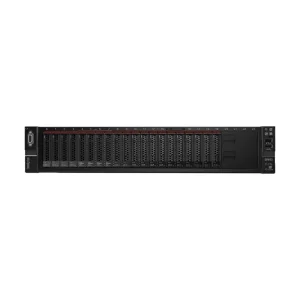
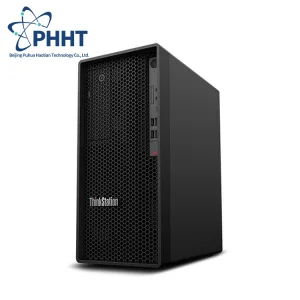
Including high-reliability enterprise server host systems, desktop workstations, and PoE network distribution switches.
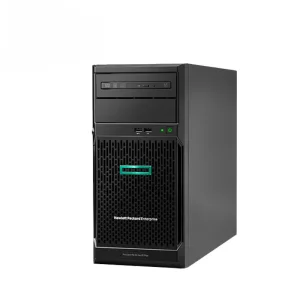
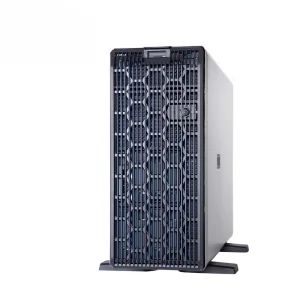
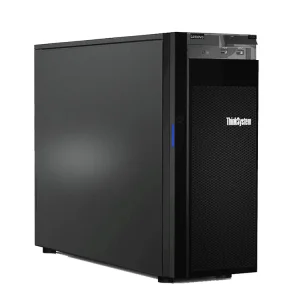
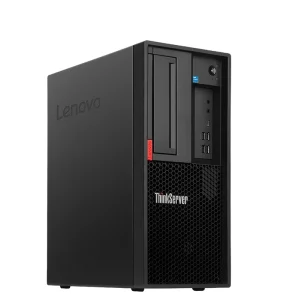
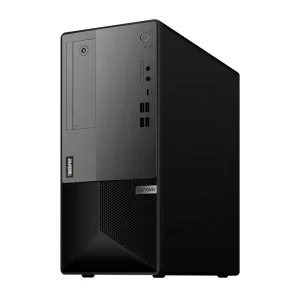
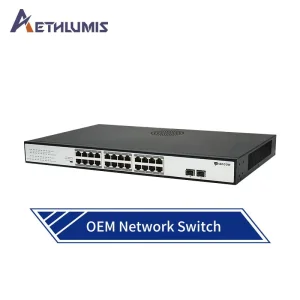
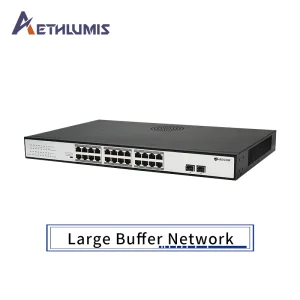


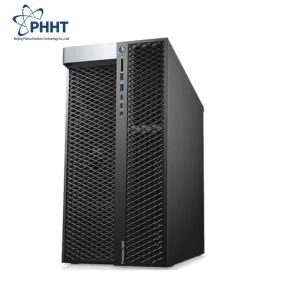
Our state-of-the-art production environments follow strict global hardware fabrication protocols.
Providing technical and logistical answers to support local procurement managers and network administrators.
Importing enterprise-grade hardware into Uzbekistan requires customs declaration forms accompanied by technical data sheets, trade contracts, and product compliance declarations. Since we export frequently to CIS regions, we prepare all documentation in compliance with regional standards. Our team provides detailed certificates of origin, packing lists, and HS codes (typically 8471300000 or 8471490000) to ensure a smooth clearance process at customs checkpoints in Tashkent or border customs terminals.
Uzbekistan has a distinct continental climate, which can subject computing hardware to elevated temperatures and ambient dust during the summer. Tower servers are highly suitable for these environments because they do not require dedicated HVAC systems or pressurized server racks. Their spacious chassis design allows for larger cooling fans that run at lower RPMs. This creates optimized airflow while minimizing dust accumulation compared to 1U or 2U rack setups.
For high-transaction database software widely used in Uzbekistan, we design server systems featuring dual Intel Xeon Scalable or Intel Xeon W-series processors configured with high base clock frequencies. Additionally, we install DDR4/DDR5 ECC registered memory (typically starting at 64GB to 128GB) and configure SSD arrays in RAID 10 to ensure zero-loss database integrity and fast concurrent transactional processing speeds.
We provide full manufacturer warranty support. Replacement parts—including hot-swap power supply units (PSUs), replacement cooling fans, additional RAM modules, and storage drives—are shipped via express air freight to Uzbekistan. We work closely with regional freight forwarding partners to ensure replacement modules arrive at your facility in Tashkent, Samarkand, or Namangan within minimal lead times.
Yes, all of our server host configurations (including the Lenovo ThinkSystem ST258 V2 and Dell T550 series) fully support hardware-assisted virtualization technologies (Intel VT-x/VT-d or AMD-V). This allows system administrators to partition a single physical tower server into multiple isolated virtual machines (VMs) to handle active directory services, local mail storage, accounting files, and security firewalls concurrently.
Our quality control team performs a comprehensive inspection on every system. This includes electrical load testing under heavy compute simulation, memory integrity scans, and physical stress verification of storage bays and expansion slots. We make sure that all units are packed in reinforced, double-walled shipping boxes with form-fitted shock-absorbing foam to prevent structural damage during transit across regional logistics lines.
 Nexus AI Server