High-reliability active switching and storage architecture designed for enterprise platforms, hyperscale systems, and Edge networks.
Unlocking safety, signal integrity, and strict European market compliance for mission-critical enterprise storage infrastructure.
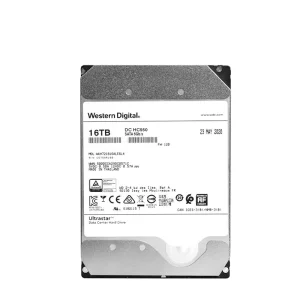
For modern datacenters, OEM projects, and industrial systems, procuring hard disk drives (HDDs) is not just a calculation of cost-per-terabyte. It is a critical engineering decision involving electrical integrity, radio-frequency limits, environmental directives, and operational reliability. A manufacturer’s ability to offer comprehensive CE Certification is a major indicator of compliance, signaling that the storage hardware meets the rigorous directives of the European Union. These requirements protect not only human health but also target electronic system co-existence.
CE certified storage devices must strictly conform to several European standards, notably EN 55032 (for Electromagnetic Compatibility of multimedia equipment) and EN 55035 (for immunity properties). These regulations ensure that the storage system does not emit harmful electromagnetic interference (EMI) that could disrupt nearby network hardware, rack servers, or industrial controllers. Conversely, the drive itself must maintain high immunity to external ESD (Electrostatic Discharge) events, surge spikes, and RF fields. This is particularly crucial inside multi-tenant datacenters and telecom arrays where thousands of server drives operate in close proximity.
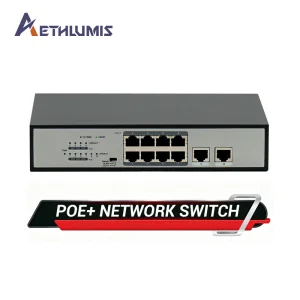
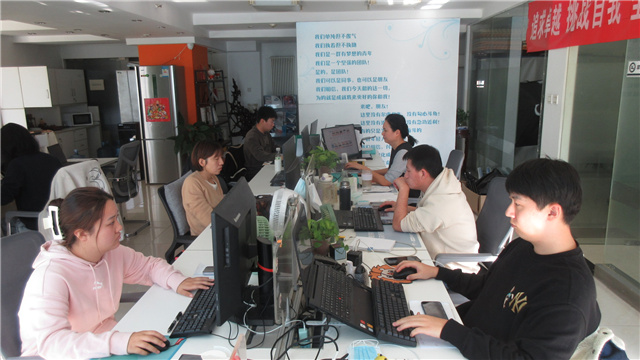
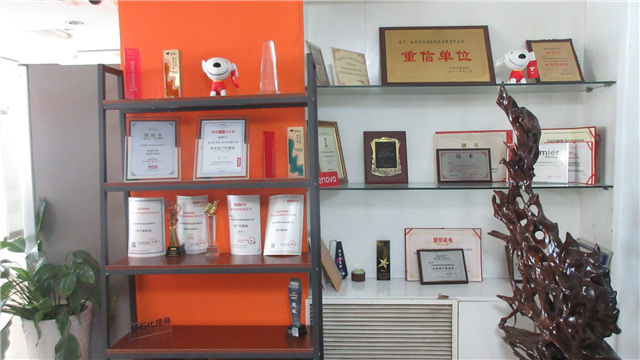
With 21 years of specialized industry experience (founded on July 10, 2003), we have developed a robust testing and verification system. Although our specialized cleanroom and precision testing facility covers a focused 120 square meters, it is optimized for high-throughput Quality Assurance, performance benchmarking, and custom firmware flashing. Our engineering team, which includes three graduate R&D engineers, ensures that every hard disk drive, hybrid storage device, and network switch is configured and audited for compatibility with primary enterprise architectures.

As standard Perpendicular Magnetic Recording (PMR) hits its physical limit (often referred to as the superparamagnetic limit, around 1 Terabit per square inch), hard drive manufacturers are implementing innovative recording formats to expand capacity and optimize system-level total cost of ownership (TCO).
Perpendicular Magnetic Recording (PMR) remains the standard for performance-critical applications requiring random writes. Enhanced PMR (ePMR) adds a bias current to the write head to improve signal-to-noise ratio, enabling higher track densities without sacrificing write speed.
Shingled Magnetic Recording (SMR) overlaps tracks like shingles on a roof, boosting storage density by up to 25%. It requires specialized drive-managed or host-managed firmware algorithms to handle write amplification, making it ideal for sequential archiving and backup workloads.
Heat-Assisted Magnetic Recording (HAMR) uses a localized laser diode on the write head to heat the storage media to over 450°C, lowering coercivity temporarily to write to stable, high-density materials. MAMR uses microwave fields to achieve a similar effect without extreme heat.
Modern data infrastructures balance these technologies based on access frequency. For example, active tier database storage relies on enterprise-grade PMR/ePMR drives for consistent IOPs, whereas high-capacity archiving systems leverage SMR or HAMR drives to minimize physical rack space and power draw. Selecting the correct technical roadmap directly impacts long-term compatibility, system stability, and thermal efficiency.
Data architectures require balanced hardware setups. A high-density server storage rack cannot perform reliably if the underlying hard disk drives are prone to rotational vibration (RV), high thermal output, or poor signal stability. As a CE certified enterprise supplier, we address these challenges through integration engineering:
Operating a global supply chain requires strict adherence to international shipping, import clearance, and technical certification rules. As an established storage hardware supplier, we maintain strict adherence to local requirements across key regions, protecting brand businesses and OEM contractors from import delays and administrative penalties.
Our export division covers key regions, including Eastern Europe (20%) and North America (15%), where safety, environmental, and communications compliance are critical. In addition to CE certification, our storage devices conform to FCC and RoHS standards. This guarantees that all components, lead-free solder, and casing materials meet environmental criteria, reducing the difficulty of processing end-of-life electronics under the European WEEE Directive.
To support system integration, our R&D team provides comprehensive customization options:
- Custom Firmware Configuration: Flashing specific sector sizes (512e vs 4Kn), configuring custom timeout limits (TLER/ERC) to prevent RAID dropouts, and updating disk identification values.
- Physical OEM/ODM Customization: Providing custom labels, laser engraving, and custom-designed drive caddies to fit proprietary storage chassis designs.
- Prototype Batching: Performing quick-turn custom sample processing, enabling system designers to run validation testing before placing high-volume bulk orders.
Resolving complex technical concerns about CE standards, firmware integration, and enterprise hard drive installation.
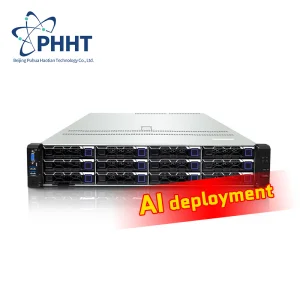
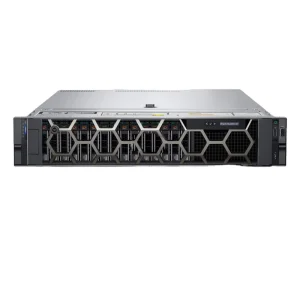
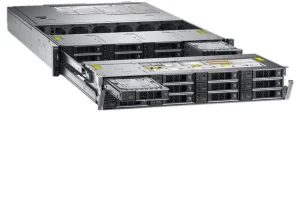
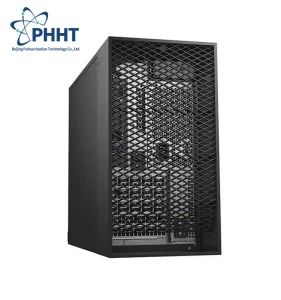
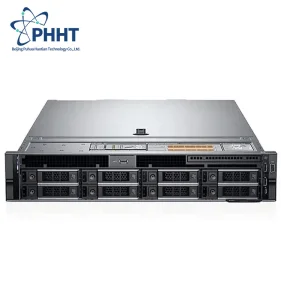
OEM-grade servers, scalable network attached storage controllers, and customized hardware options for corporate networks.
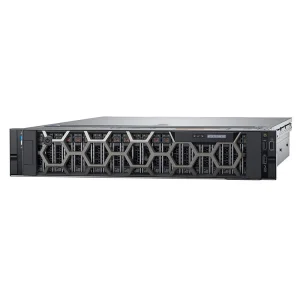
 Nexus AI Server