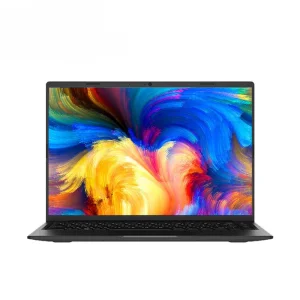
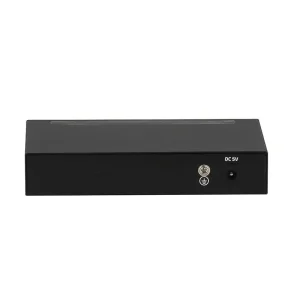
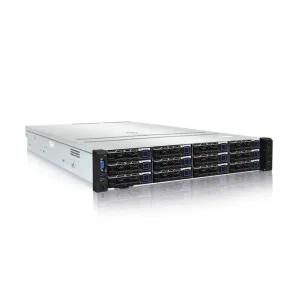
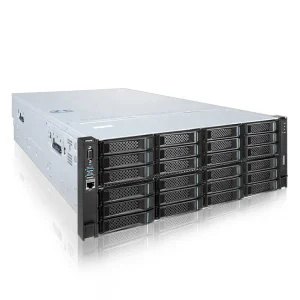
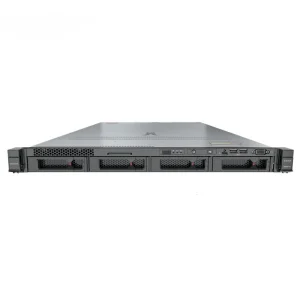
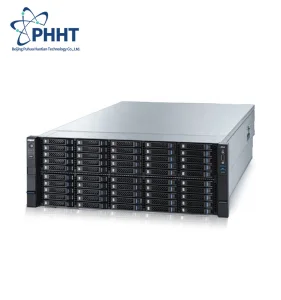
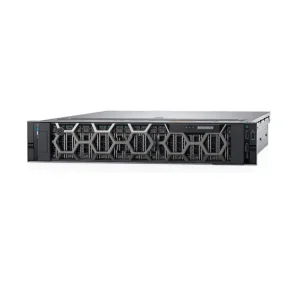
Explore our core infrastructure hardware catalog optimized for high-performance server architectures and rugged storage frameworks.
An Industry White Paper on Structural Integrity, Rotational Vibration Mitigation, and Component Longevity
In the contemporary data economy, storage hardware acts as the physical bedrock of hyper-scale cloud operations, artificial intelligence modeling, and edge computing nodes. Among the critical mechanical assemblies within a server chassis, the Hard Disk Drive (HDD) bracket (often referred to as a drive caddy, tray, or mounting bracket) plays a vital structural and functional role that directly influences system reliability, thermal distribution, and hardware longevity. Hard disk drives consist of highly sensitive mechanical components operating at rotational speeds upwards of 7,200 to 15,000 RPM. These high-speed components generate significant Rotational Vibration (RV). When multiple drives are packed tightly together in modern high-density 2U, 4U, or 7U server enclosures, these vibrations amplify exponentially. Without a precision-engineered HDD bracket, excessive vibration degrades hard drive tracking, reduces Read/Write performance, and rapidly precipitates premature drive failure.
Consequently, the global market for HDD brackets has transitioned from basic structural sheet metal brackets to high-precision, multi-material vibration damping systems. These systems utilize advanced engineering plastic polymers, hot-plug spring clips, electromagnetic compatibility (EMC) shielding gaskets, and specialized structural designs. They ensure that hard disk drives are properly aligned with backplane SAS/SATA/NVMe ports, isolated from neighboring kinetic energy, and kept cool through optimized airflow pathways. The integration of high-density storage servers in hyperscale data centers requires brackets that support rapid toolless installation, heat dissipation, and hot-swap functionalities. This mitigates operational downtime and reduces the Total Cost of Ownership (TCO) for enterprise operations.
China's manufacturing sector leads the production of high-precision HDD brackets and carrier assemblies. Leveraging advanced metal-stamping technology, robotic tooling, and established supply chains for materials like SGCC galvanized steel, Chinese manufacturers support global requirements for major OEM brands like Dell, HP, Lenovo, and Inspur. By blending material sciences with automated high-speed stamping, top suppliers provide high-precision tolerances (typically within ±0.05mm). This level of precision is necessary for backplane connector alignment.
Engineering innovations driving structural integrity, EMI protection, and thermodynamic efficiency in high-density storage arrays.
Modern server chassis packaging densities demand high-precision structural performance from HDD brackets. Achieving this involves specific material sciences, precision manufacturing processes, and structural engineering techniques:
Utilizing high-performance engineering thermoplastics and silicone/EPDM rubber grommets to absorb high-frequency rotational vibrations, protecting drive components from physical stress and tracking loss.
Incorporating stainless steel, copper-beryllium gaskets, or conductive coating paths to seal potential gaps. This blocks electromagnetic interference, keeping nearby high-frequency processors and memory modules clean.
Engineered ventilating perforations on the front plate and bracket bodies prioritize airflow across high-density storage drives, preventing hot spots and keeping temperatures within ideal operating limits.
Leveraging flexible side rail pins and spring-loaded locking latches that allow technicians to install or swap hard drives in seconds without screwdrivers, speeding up server maintenance in hyperscale data centers.
Selecting materials is crucial for the performance of HDD brackets. Carbon steels like SGCC (Hot-Dip Galvanized Cold-Rolled Steel Sheet) and SECC (Electro-Galvanized Cold-Rolled Steel Sheet) provide the necessary stiffness, structural durability, and cost-effectiveness. In systems where weight reduction is a priority, structural aluminum alloys are preferred due to their high strength-to-weight ratio and superior thermal conductivity, which helps conduct heat away from the drive chassis. Additionally, high-end polymer components (such as polycarbonate/ABS blends) are used in modular quick-release brackets to balance rigidity with flexibility.
Tailored structural integration across diverse high-performance computing ecosystems, data centers, and workstation clusters.
B2B buyers and system integrators evaluate HDD bracket design based on the specific requirements of their infrastructure applications. Different server deployments face distinct structural challenges:
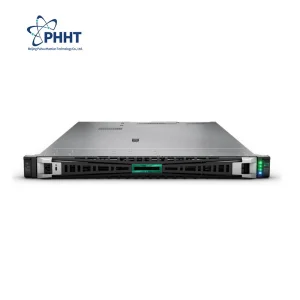
In hyperscale environments hosting virtualization layers and AI cloud processing workloads, servers run continuously under high compute loads. The HDD and SSD brackets must be hot-swappable to facilitate rapid replacement of failed media without shutting down the entire 1U or 2U node. Toolless carrier trays enable server technicians to replace drives in seconds, reducing maintenance labor costs.
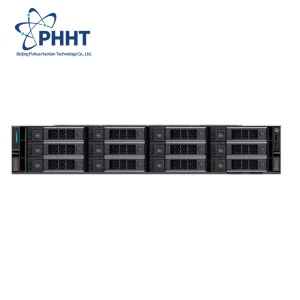
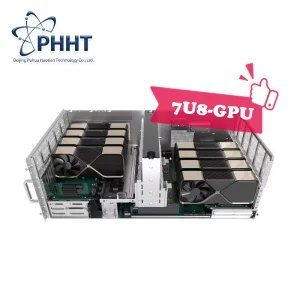
High-performance computers like the Inspur NF8480M6, Dell PowerEdge R760, and custom 7U/8-GPU rackmount systems contain multiple high-velocity cooling fans. The high structural vibration from these fans requires server brackets with integrated rubber damping and robust metal frames. This isolates the high-capacity HDDs from vibrations, ensuring stable data throughput during training and data mining workloads.
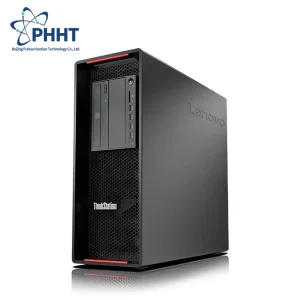
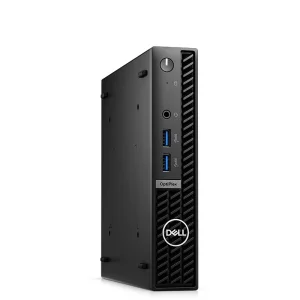
In professional workstations like the Lenovo P920 or mini desktop host systems, space is restricted. HDD brackets in these systems must serve multiple purposes, accommodating 3.5-inch platter drives or 2.5-inch SATA/NVMe SSDs within a single hybrid design. Thermal dissipation is key here; brackets must be strategically positioned next to internal air intakes to prevent thermal throttling during intensive tasks like 3D rendering or CAD compilation.
Network switches and edge servers placed in remote telecommunications towers or industrial environments face ambient physical shocks, temperature swings, and humidity. Brackets used in these scenarios require specialized surface treatments, such as nickel plating or anti-corrosion powder coatings, along with mechanical locking mechanisms to prevent drive disconnection caused by external vibrations.
Over two decades of precision manufacturing expertise, custom engineering capabilities, and rigorous quality control protocols.
Backed by 21 years of experience in structural metal fabrication and electronics hardware, our processes meet the requirements of enterprise-grade operations. We employ a strict 100% inspection protocol, meaning every single HDD bracket or custom carrier assembly undergoes physical inspection for mechanical dimension conformity, slot alignment, and structural integrity before shipment. Our R&D team features 3 graduate engineers who specialize in custom design requests. Whether you require specific bracket adjustments to fit legacy rack mount systems or need to develop a custom mount for next-generation SSD/HDD hybrid backplanes, we deliver tailored solutions to your specifications.
Analyzing the impact of PCIe Gen5/Gen6, liquid cooling systems, and EDSFF form factors on mounting brackets.
The hardware landscape is shifting rapidly. As data centers migrate towards high-density servers, the role of brackets is evolving to address new technical challenges:
First, the transition to PCIe Gen5 and Gen6 storage buses, along with high-speed SAS-4 interfaces, requires tighter electrical grounding. HDD and SSD brackets are no longer just mechanical holders; they must act as electrical pathways to manage electrostatic build-up. Brackets feature integrated conductive copper or stainless-steel contacts to ground electromagnetic noise to the main server chassis.
Second, the growth of storage arrays has led to the adoption of the EDSFF (Enterprise & Datacenter Storage Form Factor) standard, including E1.S, E1.L, and E3 form factors. These drives are slim and require specialized structural brackets that incorporate thermal pads and aluminum heat sinks directly into the tray frame.
Lastly, liquid-cooling is shifting from a niche setup to a common standard for AI infrastructure. Consequently, brackets are being designed to avoid obstructing direct-to-chip (D2C) liquid lines or immersion cooling fluids. This ensures compatibility with dielectric fluids and maintains structural stability without degradation under long-term exposure.
Get professional, technical answers regarding product customization, thermal considerations, and volume exports.
Enterprise HDD brackets isolate drives using soft mechanical dampers, such as silicone rubber grommets or elastomer buffers, at the mounting points. These materials absorb high-frequency vibrations from neighboring drives and fans. This vibration isolation prevents tracking errors and head positioning delays, ensuring consistent read/write performance.
We primarily use SGCC (Hot-Dip Galvanized) and SECC (Electro-Galvanized) cold-rolled steel sheets for cost-effective rigidity, as well as structural aluminum alloys for high thermal dissipation. Our quality control system enforces a 100% inspection process across all production runs, ensuring dimensional precision, proper weld joints, and trace materials tracking.
Yes. Our R&D team provides comprehensive customization options, including sample processing, graphic processing, and bespoke customized-on-demand designs. We work closely with client engineering diagrams to develop, prototype, and manufacture brackets tailored to proprietary server form factors or thermal configurations.
Brackets are engineered with physical grounding pathways, such as small metal spring fingers or EMI gaskets, that touch the metal structure of the server chassis. This establishes electrical continuity, redirecting electromagnetic noise and protecting internal electronics from interference.
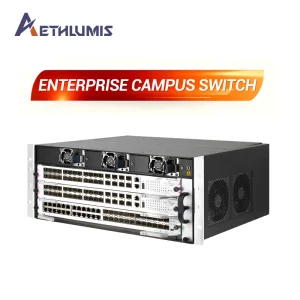
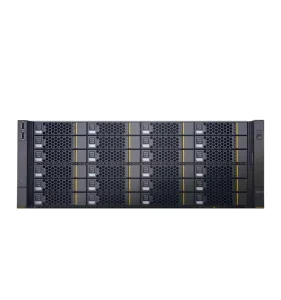
Complete your deployment with high-speed managed switches, multi-GPU AI servers, and storage solutions.
 Nexus AI Server