High-performance computing units, scalable storage architectures, and low-latency switching networks engineered for high-concurrency e-commerce environments.
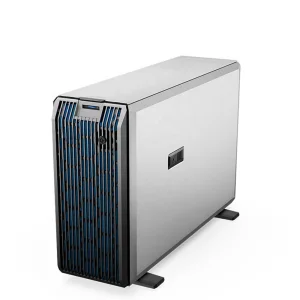
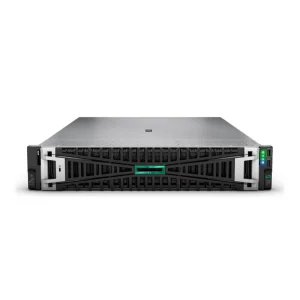
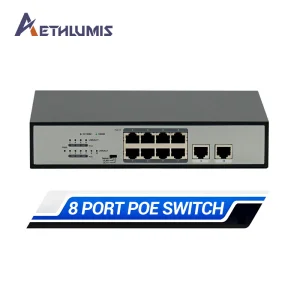
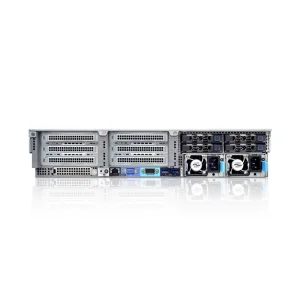
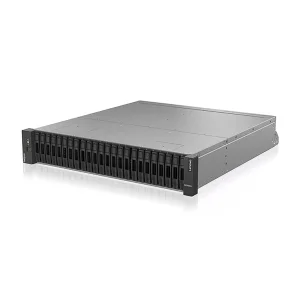
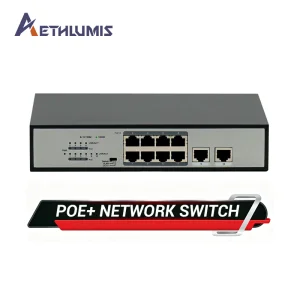
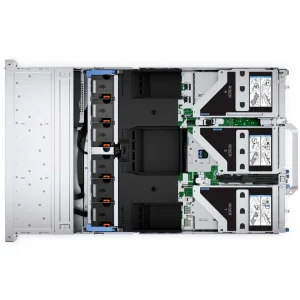
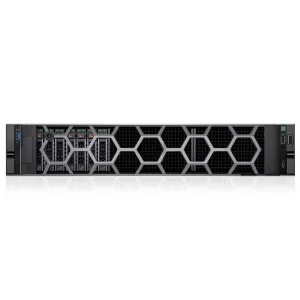
The modern e-commerce landscape is shifting. While software-as-a-service (SaaS) and public clouds defined the last decade of retail technology, the industry is entering an era of hybrid cloud computing, edge distribution, and localized micro-services. To support real-time dynamic pricing, AI-driven product recommendations, fast payment gateways, and highly accurate logistics tracking, global brands are realizing that software is only as good as the underlying hardware infrastructure that hosts it.
For large-scale e-commerce operators, sourcing high-quality hardware directly from top-tier factories and exporters in China has become a critical strategic lever. The capacity to self-host transactional databases, deploy low-latency warehouse networks via PoE switches, and configure high-performance compute nodes (like the Dell PowerEdge and HPE ProLiant lines) allows companies to secure high operational margins and maintain 99.999% uptime during peak traffic events like Black Friday, 11.11, or Prime Day.
E-commerce solution providers now differentiate on hardware efficiency. Minimizing latency at the hardware level from 100 milliseconds to 10 milliseconds has been directly linked to a 1% increase in conversion rate for massive storefronts.
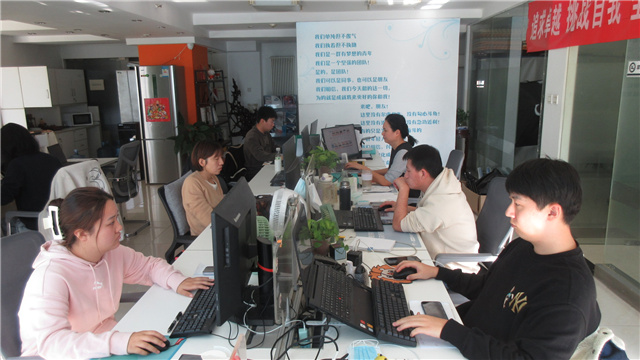
With over 21 years of industry experience, our factories export custom-tailored data storage and networking systems worldwide.
Quality control is integrated at every phase of our production lines. Raw material traceability is guaranteed for all components—from enterprise motherboard capacitors to high-grade aluminum drive brackets. We execute absolute unit-by-unit testing rather than sample-based quality checks, ensuring that zero-defect hardware reaches your data centers.
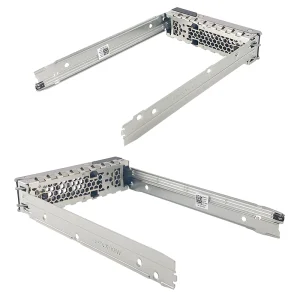
Whether your platforms require custom BIOS configurations, custom-branded front bezels, or specialized hard drive carrier layouts, our R&D department translates your exact technical mandates into high-volume manufacturing realities. This custom capability supports brands, system engineers, large-scale wholesalers, and cloud operators alike.
| Profile Metric | Specification / Capability Details |
|---|---|
| Company Registration Date | 2003-07-10 (21 Years of Continuous Operations) |
| R&D Engineering Team | 3 Graduate Engineers specializing in Enterprise hardware and firmware compatibility |
| Customization Formats | Sample processing, graphic rendering adaptation, custom on-demand hardware layouts |
| Export Reach | Eastern Europe (20%), North America (15%), Domestic & Rest of World (65%) |
| Primary Client Types | Brand businesses, enterprise retailers, network engineers, storage wholesalers, manufacturers |
Decentralized logistics and AI-driven storefront systems demand specialized hardware tiers. Learn where to allocate your procurement budget.
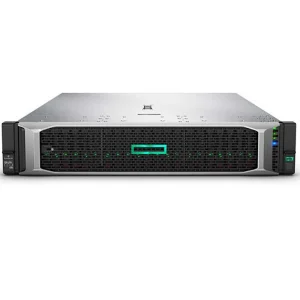
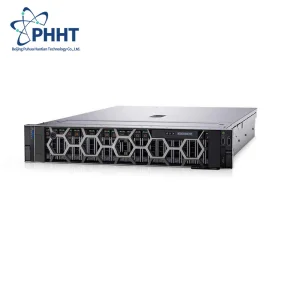
E-commerce databases process thousands of concurrent read-write cycles every second during product drops. Using dual-socket, high-core-count CPU architectures such as the HPE ProLiant Gen11 or Dell PowerEdge R760 series prevents transactional blockages and database locks, ensuring smooth shopping cart experiences.
Modern e-commerce platforms run complex deep-learning algorithms to suggest alternative products to consumers. This relies on heavy GPU acceleration. Sourcing 2U rack servers optimized for AI training and GPU offloading allows platforms to calculate recommendation engines in real time, increasing average order values.
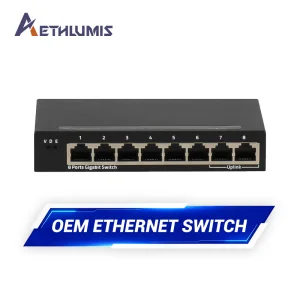
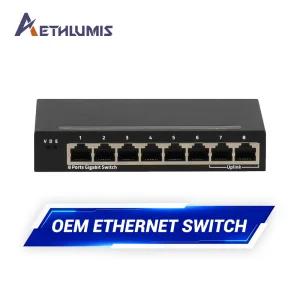
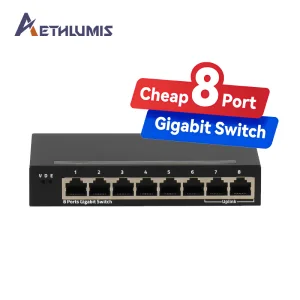
Automated fulfillment centers rely on thousands of IP cameras, barcode readers, and IoT sorting belts. Managed PoE switches (such as 10-port and 8-port gigabit variants with VLAN isolation) deliver power and data to these devices over a single Ethernet cable, cutting network deployment costs in half.
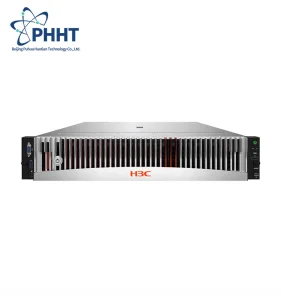
For secondary application nodes, staging environments, and backup storage layers, sourcing high-end refurbished servers (like used PowerEdge or H3C UniServer modules) provides up to 60% cost savings compared to purchasing brand-new hardware. This allows organizations to build out a more redundant infrastructure array within the same capital expenditure framework.
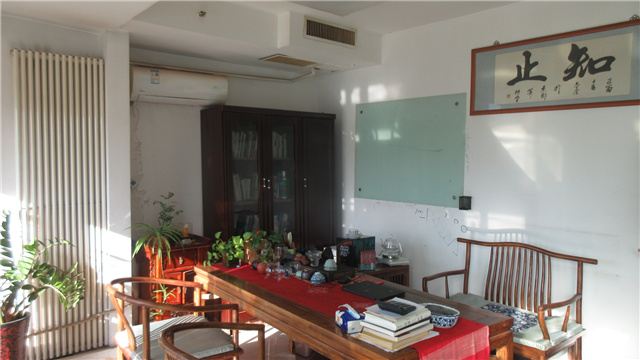
Sourcing electronic components and hardware infrastructure directly from Chinese factories offers unmatched advantages in supply chain elasticity. The Pearl River Delta and Yangtze River Delta clusters house the complete manufacturing ecosystem, meaning raw aluminum bracket fabrication, PCB assembly, micro-controller programming, and product packaging occur within a tight geographical zone. This minimizes shipping times and shields production from global logistics bottlenecks.
Additionally, modern Chinese hardware exporters have integrated advanced digital twins and IoT monitoring into their assembly lines (Industry 4.0). With dedicated R&D teams and testing rigs, these facilities can test component stress thresholds under extended operational periods. They verify server thermals, switch surge protection boundaries (like 6KV anti-surge limits), and raw material integrity before signing off on global shipments.
Aligning server room sourcing with green energy initiatives, high-performance edge computing, and artificial intelligence.
As server densities scale to accommodate massive transactional datasets, traditional air-cooling methods face structural physical limits. The 2025-2030 roadmap prioritizes direct-to-chip liquid cooling systems and immersive tank setups. Direct sourcing of liquid-compatible server chassis will help data centers lower their overall Power Usage Effectiveness (PUE) to below 1.2, meeting strict ecological standards.
Next-generation digital commerce relies on immediate order routing. Managed PoE and distribution switches are transitioning from standard Gigabit connections to 10Gbps and 100Gbps interfaces at the edge. Sourcing switches featuring dedicated VLAN isolation modes and hardware-level packet prioritization protects financial transactions from latency-inducing network bottlenecks.
Real-time machine vision tracking in smart warehouses requires significant compute resources directly on-site. Future factory roadmaps are prioritizing specialized edge servers containing low-power tensor processing units (TPUs). This allows distribution hubs to scan and sort millions of parcels locally without needing constant cloud round-trips.
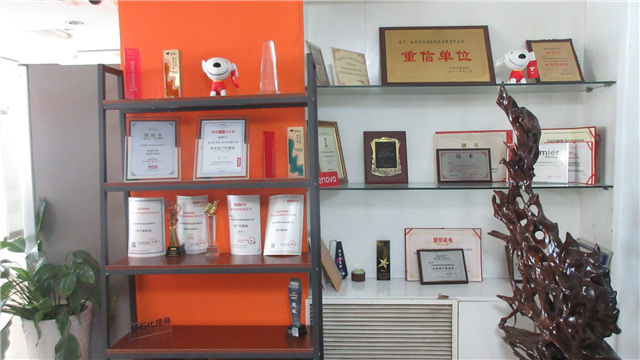
Exporting enterprise-grade hardware requires strict adherence to international electrical, safety, and digital protection metrics.
Enterprise infrastructure hardware must comply with the regional regulatory frameworks of its deployment location. High-end switches, servers, and NAS configurations leaving our production lines undergo rigorous testing and certification procedures to verify compliance before transport.
All active networking switches and servers support worldwide voltage requirements (100V to 240V AC, 50/60Hz) to simplify installation in any data center rack. They carry certifications like CE, FCC Class A/B, and RoHS compliance, verifying that no hazardous substances are used and that electronic emissions remain within safe, non-interfering limits.
Our R&D division supports system-level localization. We customize BIOS firmware settings to match specific network topologies, preset RAID array configurations, and offer user interfaces in multiple languages (English standard). On-demand IPMI 2.0 (Intelligent Platform Management Interface) customizations are available to help network managers integrate new hardware into their existing software dashboards.
Further systems, high-speed switching hubs, and precision hardware brackets to optimize data centers and edge offices.
Technical and procurement answers designed for CTOs, IT managers, and sourcing officers.
 Nexus AI Server