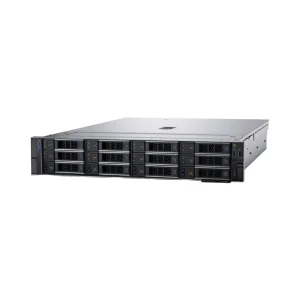
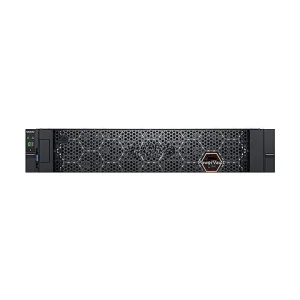
Select hardware engineered specifically for high-density virtualization hypervisors, VM orchestration, and low-latency virtual networking.
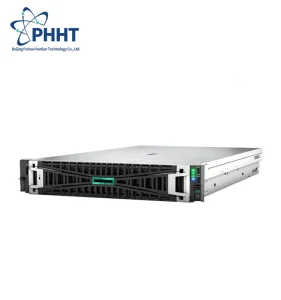
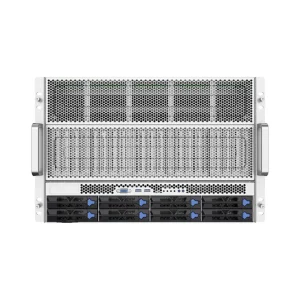
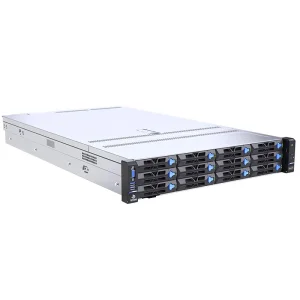
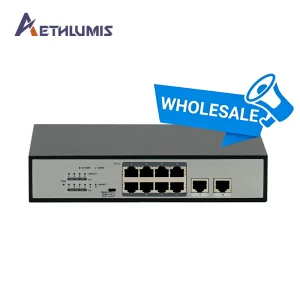
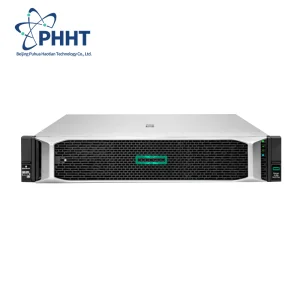
Virtualization technologies form the backbone of modern cloud computing and enterprise IT structures. Organizations are transitioning from basic hypervisor setups to software-defined data centers (SDDC), high-performance computing (HPC) nodes, and hyperconverged infrastructure (HCI) models. This shift demands specialized physical compute architectures, ultra-fast storage arrays, and smart network routing engines capable of hosting thousands of isolated workloads.
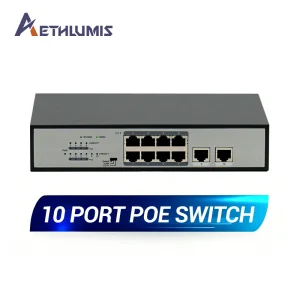
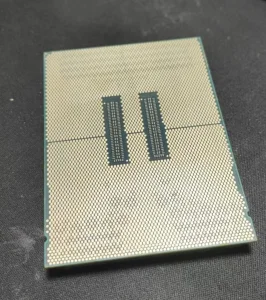
In the industrial sphere, edge-based virtualization has emerged as a key architecture for local processing. By isolating legacy industrial operating systems from modern analytical tools on a single host computer, smart factories reduce hardware sprawl and energy footprints. Robust computing systems, such as dual-processor rack servers equipped with high-core-count CPUs and hardware-assisted virtualization technologies (Intel VT-x / AMD-V), are crucial to prevent resource starvation. High-throughput PoE switches provide the reliable power and communication channels required to feed low-latency data back to virtualized controllers.
Our manufacturing and integration facilities leverage localized industrial clusters in China to deliver advanced cloud and storage systems at lower costs. Through optimized component sourcing—ranging from multi-layered circuit boards to server chassis and customized BIOS programming—the factory shortens production lead times for specialized orders.
By conducting 100% manual and automated hardware tests, we verify that CPUs, RAM modules, and network interfaces run without bottlenecks before delivery. The synergy of local material sourcing, strict manufacturing standards, and direct shipping logistics allows us to provide custom-configured server designs, high-capacity PoE network switches, and custom branding options (OEM/ODM) to meet global enterprise requirements.
We trace all hardware components back to certified manufacturers, verifying raw silicon, power controllers, and passive devices for long-term operational stability.
Every server, processor, and network switch undergoes rigorous burn-in testing, memory diagnostic checks, and high-temperature simulations.
We provide tailormade configurations, customized BIOS settings, personalized chassis designs, and specific port maps to integrate smoothly with your network architecture.
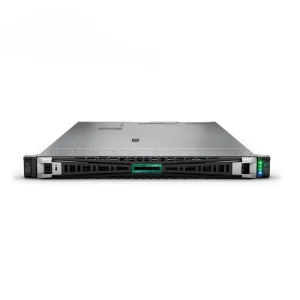
Web hosting companies and managed service providers (MSPs) rely on virtualized platforms to run hundreds of independent client environments on physical hardware. Our high-density, multi-core 1U and 2U rack servers support massive DDR4 and DDR5 memory installations, allowing operators to run more virtual machines per system and reduce overhead costs.
Modern machine learning systems require virtualized access to high-performance graphic processing units (GPUs). Utilizing specialized architectures like the 7U 8-GPU AI Server, data centers partition hardware engines into smaller, virtualized GPU instances. This enables researchers to run parallel training models and deploy real-time AI solutions without needing dedicated physical cards for every developer.
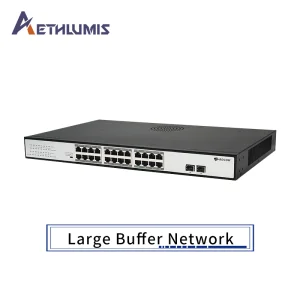
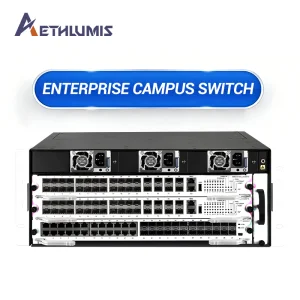
Large enterprises run core databases, billing software, and customer management systems in high-availability virtual clusters. Using stackable Layer 3 managed core switches and redundant network cards ensures continuous operation, zero-packet-drop communication, and automatic failover in case of hardware failure.
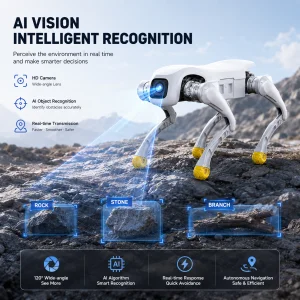
From advanced quadruped bionic devices to automatic assembly lines, virtualized control environments allow teams to test and run edge AI applications, secondary development frameworks, and real-time control algorithms safely isolated from the main host OS.
Achieving optimal performance on a virtualized network requires selecting the right hardware partner. Below is an analytical review of the leading enterprises that build, package, and optimize virtualization platforms and compute infrastructure:
When procurement managers purchase virtualization hardware, they must look beyond CPU clock speeds and address structural design features that influence the Total Cost of Ownership (TCO):
Verifying manufacturing standards, quality check processes, and research capabilities for global deployment.
21 Years in Industry
100% Quality Audited
3 Graduate Engineers
Domestic & International
Critical technical answers for systems engineers and hardware buyers setting up virtualized IT infrastructures.
Browse our collection of enterprise-grade components, refurbished rack servers, and high-performance server processors.
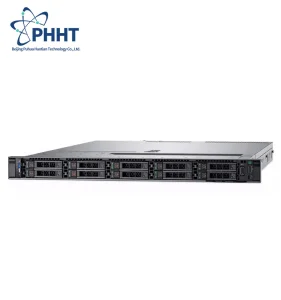
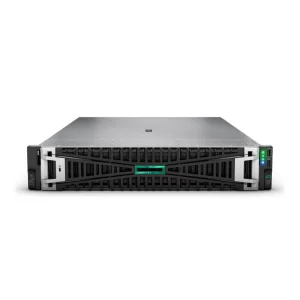
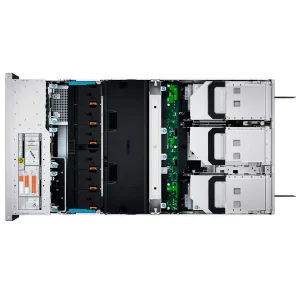
 Nexus AI Server