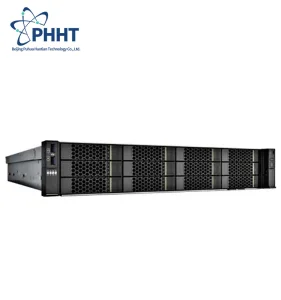
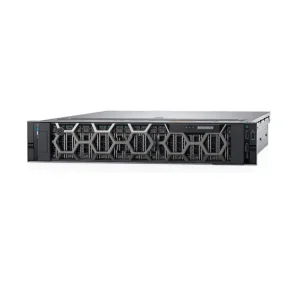
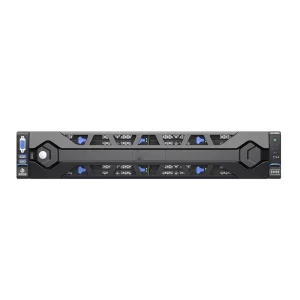
Select high-performance network switches, storage arrays, and enterprise rack servers optimized for modern deep learning and cloud hosting.
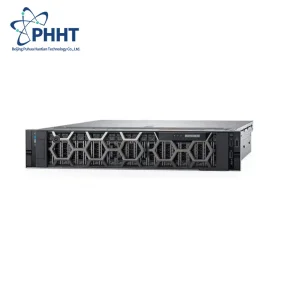
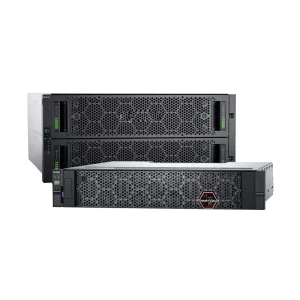
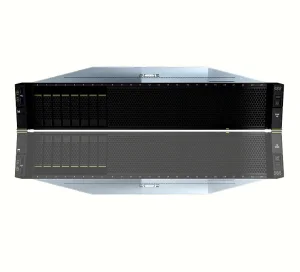
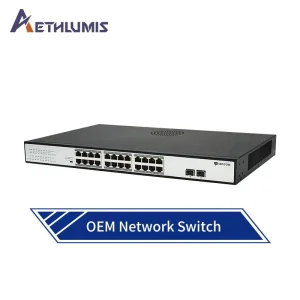
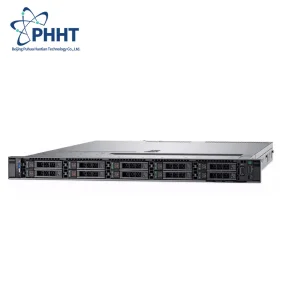
In the rapidly shifting landscape of global computational infrastructure, selecting the right partner for computing solutions is critical. As an established leader in the hardware industry, our manufacturing capabilities combine over 21 years of specialized industry expertise with modern automated facilities to deliver cutting-edge server products. Formally registered on 2003-07-10, our organization has transitioned from high-precision electronic manufacturing components to complete datacenter solutions, serving key global hubs in North America, Eastern Europe, and the domestic Chinese market.
Our core competency centers on custom hardware integration—spanning AI servers, 1U and 2U rack mount storage devices, and high-performance network switches. By integrating advanced raw materials traceability systems and maintaining a strict, non-negotiable 100% product inspection methodology overseen by dedicated QA/QC experts, we ensure that every node, network interface, and rack unit leaving our facility delivers maximum operational efficiency and minimal downtime.
| Operational Parameter Details | |
|---|---|
| Company Registration Date | July 10, 2003 (21 Years Active Development) |
| R&D Capabilities | 3 Advanced Graduate-Level Engineers focusing on bespoke OEM/ODM System Integrations |
| Main Export Markets | Eastern Europe (20%), North America (15%), Domestic Market (50%), General Exports (15%) |
| Customization Options | Bespoke Sample Processing, Complex Graphical Layout Configurations, Custom Design-on-Demand Integration |
| Quality Assurance Protocols | 100% Comprehensive Product Inspection across all active assembly stages; Full Raw Material Traceability |
Manufacturing compute nodes at scale requires more than just clean-room assembly line workers. It demands a tightly integrated geographical cluster of sub-component suppliers, including PCB fabricators, power supply unit (PSU) manufacturers, structural steel stampers, and silicon packaging complexes. Shenzhen and the greater Guangdong region act as the epicentre of this logistical framework.
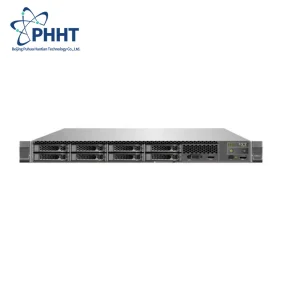
By leveraging our domestic manufacturing location, we guarantee unprecedented time-to-market advantages for high-end server configurations. Whether configuring a multi-GPU training array using next-generation AI accelerators or integrating multi-DIMM DDR5 server nodes like the 2288H V6, our proximity to critical sub-component factories reduces the manufacturing lead time by up to 45% compared to non-localized operations.
Our deep-set strategic alliances with passive component factories, structural chassis creators, and advanced motherboard fabricators minimize shipping expenses and reduce component bottlenecking.
We track every batch of copper, aluminum, and composite board back to its origin refining partners. This mitigates impurities that lead to high-frequency motherboard signal failures or structural degradation.
Centrally located alongside major deepwater shipping ports and international airports, our logistics networks allow rapid customs clearing and dynamic sea/air shipping configurations.
Enterprise hardware deployment is bound to the strict regulatory requirements of different jurisdictions. A server node that is poorly engineered from a regulatory perspective can face shipping seizures, deployment bans, or catastrophic safety incidents. That is why our products comply with a rigorous framework of certifications, including CE, FCC, RoHS, and local national security standard specifications.
Our localization support engineers work directly with your IT and compliance departments to pre-configure BMC firmware (Baseboard Management Controller), manage BIOS security settings, and ensure that out-of-band management channels (such as IPMI 2.0 or Redfish APIs) conform to your enterprise cybersecurity policies. We integrate Trusted Platform Modules (TPM 2.0) and custom UEFI Secure Boot signing keys to guarantee that your software stack remains secure against low-level firmware injection attacks.
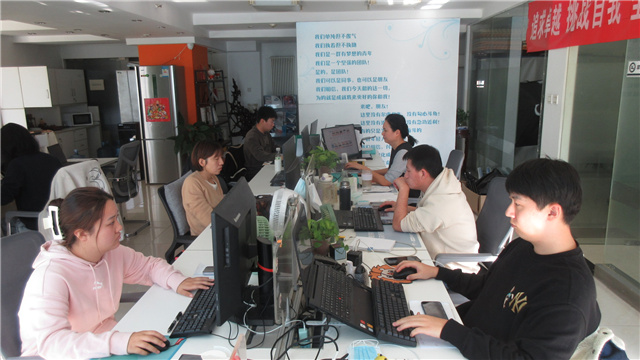
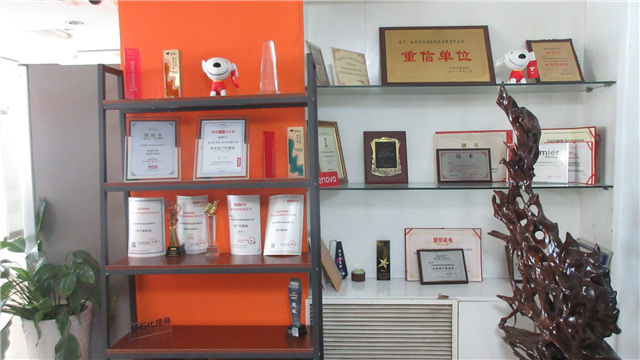
Furthermore, localization goes beyond software compliance. It involves physical adapter compatibility, power distribution configurations, and structural thermal dynamics. Our server designs, such as the 1288H V7, accommodate diverse power input requirements, supporting high-voltage alternating current (HVAC) as well as direct current (HVDC) configurations commonly found in cutting-edge green datacenters globally.
As global companies move toward hybrid cloud structures and high-density virtualization, the demands placed on server manufacturers have dramatically increased. Standard off-the-shelf systems rarely satisfy the fine-tuned constraints of hyperscale datacenters or private cloud infrastructures.
Today, global buyers require specific performance profiles: high compute-to-power ratios, expandable storage arrays with NVMe/SAS compatibility, and low-latency network backplanes. These technical trends dictate the shape of modern server development:
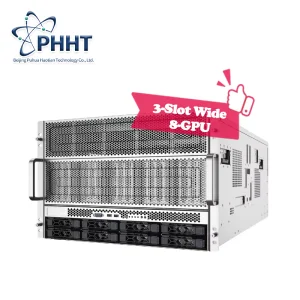
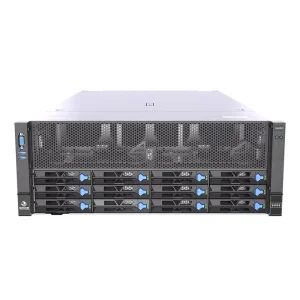
Deep learning training and LLM execution require high-density multi-GPU chassis designs with optimized PCIe switching lanes, similar to our 8-GPU AI server workstations.
Multi-core Intel Xeon and AMD EPYC architectures coupled with large DIMM layouts allow cloud providers to maximize virtualization workloads per unit of rack space.
Combining high-speed cache tiers with ultra-reliable high-capacity SAS/SATA drives ensures sub-millisecond database queries alongside massive raw archival pools.
Advanced chassis air ducts, high-reliability hot-swap fans, and readiness for liquid cooling loops minimize Power Usage Effectiveness (PUE) metrics.
By partnering with an experienced hardware manufacturer, global enterprises can design systems tailored to their operational constraints. Our 3 graduate R&D engineers collaborate directly with enterprise clients to deliver optimized designs, validating engineering samples and executing layout configurations before initiating manufacturing runs.
Critical engineering and logistical questions answered by our system design specialists.
Explore our line of server models, high-performance computing platforms, and automated patrolling hardware.

 Nexus AI Server